

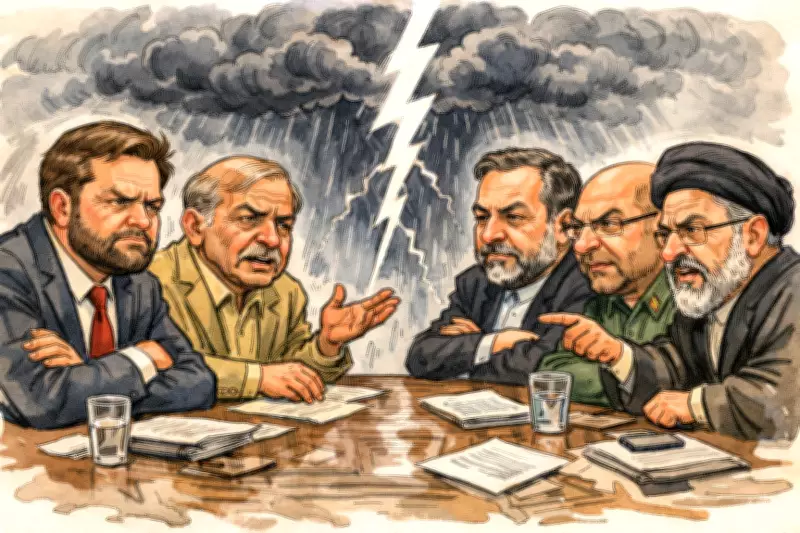
US-Iran Nuclear Diplomacy Hits Major Roadblock After Marathon Islamabad Talks
High-level negotiations between the United States and Iran have concluded without any agreement following an exhaustive 21-hour marathon session in Islamabad. This represents the most significant diplomatic engagement between the two nations in decades, yet profound differences on multiple fronts prevented any immediate breakthrough. While both countries have indicated that discussions might continue in the future, the current impasse highlights the substantial obstacles to reconciliation.
Five Critical Factors Behind the Diplomatic Failure
The collapse of these crucial talks can be attributed to several fundamental disagreements that proved insurmountable during the extended negotiations.
1. Irreconcilable Differences on Nuclear Program Restrictions
The central point of contention remained Washington's insistence on obtaining ironclad guarantees that Iran would not pursue nuclear weapons capability. American negotiators pushed aggressively for strict limitations on uranium enrichment activities and related technological capabilities. Tehran, however, resisted these demands vehemently, characterizing them as excessive restrictions that infringed upon its sovereign rights to peaceful nuclear development.

2. Dispute Over Economic Sanctions and Frozen Assets
Iranian negotiators demanded comprehensive sanctions relief and the release of billions of dollars in frozen assets held in various countries, including significant funds in Qatar. This economic dimension became a major sticking point when U.S. officials explicitly denied agreeing to such terms, revealing a substantial gap in expectations regarding the financial concessions that would accompany any potential agreement.
3. Strategic Control Over the Strait of Hormuz
Control and management of the strategically vital Strait of Hormuz emerged as another major flashpoint during negotiations. Iran sought expanded authority over this critical maritime passage, including potential rights to collect transit fees from commercial vessels. The United States remained adamant about ensuring completely free and unimpeded global shipping through this route, which carries approximately 20% of the world's total energy supplies.
4. Diverging Regional Priorities and Demands
Tehran significantly expanded the negotiation agenda by introducing demands for war reparations and a comprehensive ceasefire across multiple regional conflict zones, including Lebanon. American negotiators, in contrast, maintained a narrower focus primarily centered on nuclear restrictions and maritime security concerns. This fundamental mismatch in priorities and scope created additional barriers to finding common ground.
5. Persistent Trust Deficit and Volatile Negotiating Atmosphere
The entire negotiation process was characterized by fluctuating tensions and deep-seated mutual distrust. Officials from both sides described experiencing "mood swings" and rising tempers throughout the discussions. The Iranian delegation arrived carrying symbolic reminders of civilian casualties, while both parties repeatedly accused each other of inflexibility and bad faith, further complicating any potential progress.
Future Prospects for US-Iran Diplomacy
Despite the current impasse, Iranian officials have stated that "negotiations will continue despite some remaining differences," indicating that diplomatic channels remain technically open. However, with positions still dramatically far apart and regional ceasefires remaining fragile, the outcome of any future talks will be crucial in determining whether tensions between these long-standing adversaries will eventually ease or escalate further into more dangerous territory.






