

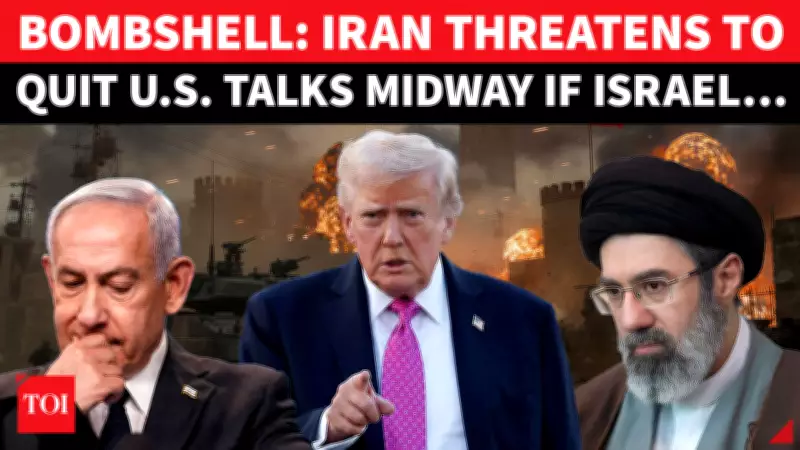
US-Iran Nuclear Negotiations Teeter on Brink of Collapse
High-stakes diplomatic talks between the United States and Iran are facing imminent jeopardy as Tehran has issued a stark warning that it is prepared to withdraw from negotiations midway if its critical preconditions remain unaddressed. The Iranian government has explicitly stated that it may refuse to participate in any further discussions unless specific demands are met, casting a dark shadow over the already fragile diplomatic process.
Iran's Non-Negotiable Preconditions
At the heart of the escalating tension are two primary demands from Iran that have yet to be fulfilled. First, Tehran insists on the immediate release of billions of dollars in frozen assets that have been held internationally due to sanctions. Second, Iran demands a verifiable ceasefire in Lebanon, where regional proxy conflicts have intensified dramatically in recent months.
Despite claims from Washington that agreements had been reached in principle, Iranian officials maintain that no concrete action has followed these assurances. This discrepancy between promises and implementation has fueled Tehran's skepticism and hardened its negotiating position, creating a significant roadblock in the diplomatic pathway forward.

Pakistan's Mediation Efforts Amid Growing Tensions
In an attempt to salvage the deteriorating situation, Pakistan has stepped into the role of mediator, actively working to bridge the gap between the two adversarial nations. Pakistani diplomatic channels are reportedly engaged in intensive shuttle diplomacy, pushing both sides to return to the negotiating table with more flexible positions.
However, these mediation efforts face substantial challenges as the overall atmosphere remains exceptionally tense and volatile. The fundamental disagreements over preconditions have created a diplomatic impasse that threatens to derail months of careful negotiation and confidence-building measures.
Strategic Control of Vital Oil Passageway
Compounding the diplomatic standoff, Iran continues to maintain firm control over oil tanker movements through the strategically crucial Strait of Hormuz. This narrow waterway serves as a transit route for approximately one-fifth of the world's petroleum supply, giving Tehran significant leverage in regional power dynamics.
The Iranian naval presence in these waters represents both a demonstration of military capability and a strategic bargaining chip in the ongoing negotiations. This control over vital energy infrastructure amplifies the stakes of the diplomatic confrontation and raises concerns about potential disruptions to global oil markets.
Broader Implications for Regional Stability
The current standoff between Washington and Tehran is generating serious concerns about broader regional stability in the Middle East. Diplomatic analysts warn that a complete breakdown in talks could trigger several dangerous consequences:
- Escalation of proxy conflicts across multiple theaters including Lebanon, Syria, and Yemen
- Increased risk of direct military confrontation in the Persian Gulf region
- Potential disruption to global energy supplies through the Strait of Hormuz
- Diminished prospects for nuclear non-proliferation agreements in the region
The future of diplomatic engagement between the United States and Iran now hangs in a delicate balance, with the possibility of either breakthrough or breakdown looming large. As both nations assess their next moves, the international community watches anxiously, aware that the outcome will have profound implications for Middle Eastern geopolitics and global security architecture.






