

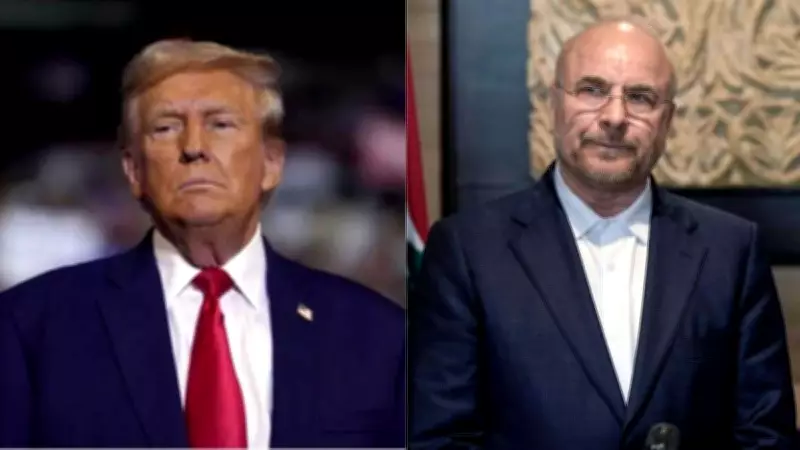
US-Iran Nuclear Negotiations Hit Impasse Amid Defiance and Warnings
The anticipated next round of diplomatic talks between the United States and Iran has been plunged into uncertainty, with Tehran taking a defiant position and former US President Donald Trump issuing a stern new warning. This development marks a significant setback in efforts to revive the nuclear agreement, heightening geopolitical tensions in the volatile Middle East region.
Tehran's Defiant Stance Complicates Diplomatic Efforts
Iranian officials have recently adopted a more rigid and unyielding approach in the ongoing negotiations, refusing to make concessions on key issues related to their nuclear program. This defiant posture has effectively stalled progress, leaving the next phase of talks in a state of limbo. Analysts suggest that Tehran's strategy may be aimed at strengthening its bargaining position or responding to domestic political pressures, but it risks derailing the fragile diplomatic process entirely.
The impasse comes at a critical juncture, as both sides had previously shown tentative signs of willingness to engage in constructive dialogue. However, Iran's current stance has introduced new obstacles, making it increasingly difficult to schedule or proceed with further discussions. International observers are closely monitoring the situation, concerned that a prolonged deadlock could lead to renewed escalations and instability in the region.

Trump's Fresh Warning Adds to Escalating Tensions
Amid this diplomatic standoff, former President Donald Trump has issued a fresh warning, emphasizing a hardline approach toward Iran. In a recent statement, Trump reiterated his administration's previous policies, advocating for maximum pressure tactics and cautioning against what he perceives as leniency in negotiations. His comments have injected additional complexity into the already tense atmosphere, potentially influencing current US policy and public discourse.
Trump's intervention is seen by many as a significant factor, given his historical role in withdrawing the US from the original nuclear deal and imposing stringent sanctions on Iran. His renewed warnings could embolden hardliners in both countries, making compromise more challenging and increasing the risk of miscalculations that might trigger broader conflicts.
Regional and Global Implications of the Stalemate
The stalemate in US-Iran talks carries profound implications for regional security and global diplomacy. Key points of concern include:
- Nuclear Proliferation Risks: A failure to reach an agreement could accelerate Iran's nuclear advancements, raising alarms about potential weapons development.
- Middle East Stability: Escalating tensions might spill over into neighboring countries, exacerbating existing conflicts and threatening peace efforts.
- International Relations: The deadlock could strain alliances, particularly between the US and its European partners who have been advocating for a diplomatic resolution.
- Economic Impacts: Continued uncertainty may affect oil markets and global trade, given Iran's strategic position and resource wealth.
As the situation remains fluid, stakeholders are urging both parties to return to the negotiating table with a spirit of flexibility and urgency. The path forward is fraught with challenges, but a renewed commitment to dialogue is widely viewed as essential to averting a deeper crisis and fostering long-term stability in the Middle East.






