

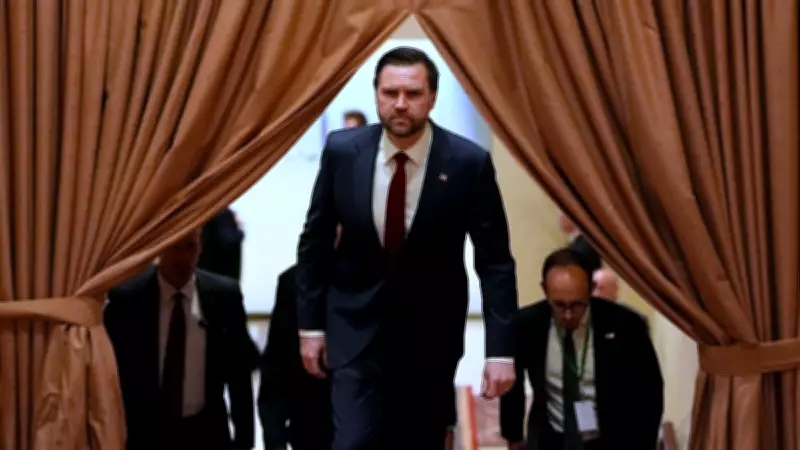
Inside the U.S.-Iran Talks: How Vance's Delegation Built Rapport with Tehran
In a significant diplomatic development, recent negotiations between the United States and Iran have seen a notable shift in tone, with a delegation led by U.S. Senator J.D. Vance fostering a surprisingly friendly atmosphere with Tehran's negotiators. This engagement, which took place in early 2026, marks a departure from the often tense and adversarial interactions that have characterized U.S.-Iran relations in the past.
The Delegation and Its Approach
The U.S. delegation, spearheaded by J.D. Vance, included key diplomats and policy experts who adopted a more conciliatory and open-minded stance during the talks. Unlike previous negotiations that were marked by rigid posturing, Vance's team emphasized building personal rapport and trust with their Iranian counterparts. This approach involved extended informal discussions, shared meals, and a focus on common ground rather than immediate concessions.
Sources close to the negotiations reveal that the delegation's strategy was to create a conducive environment for dialogue, which helped ease longstanding tensions. By avoiding confrontational language and instead highlighting mutual interests, such as regional stability and economic cooperation, the U.S. team managed to establish a more collaborative dynamic.

Tehran's Response and Key Outcomes
On the Iranian side, negotiators from Tehran responded positively to this new approach, engaging in substantive discussions that went beyond the usual diplomatic formalities. The friendly interactions allowed for more candid exchanges on sensitive issues, including nuclear proliferation, sanctions relief, and regional security concerns.
While no major agreements were finalized during these initial talks, the improved rapport has laid the groundwork for future negotiations. Key outcomes include:
- A commitment to continue dialogue through regular follow-up meetings.
- An agreement to establish working groups on specific issues like trade and cultural exchanges.
- A mutual understanding to de-escalate rhetoric in public statements, reducing the risk of misunderstandings.
Implications for International Diplomacy
This development in U.S.-Iran relations could have broader implications for global diplomacy, particularly in the Middle East. By demonstrating that a friendly and respectful approach can yield positive results, Vance's delegation sets a precedent for how nations with historically strained ties might engage in productive talks.
Experts suggest that this shift could influence other international conflicts, encouraging a move away from hardline tactics toward more nuanced and relationship-building strategies. However, challenges remain, as deep-seated issues between the U.S. and Iran will require sustained effort and compromise from both sides.
In summary, the recent U.S.-Iran talks, led by J.D. Vance, represent a noteworthy evolution in diplomatic engagement, with a focus on rapport and collaboration that may pave the way for more constructive future interactions.






