

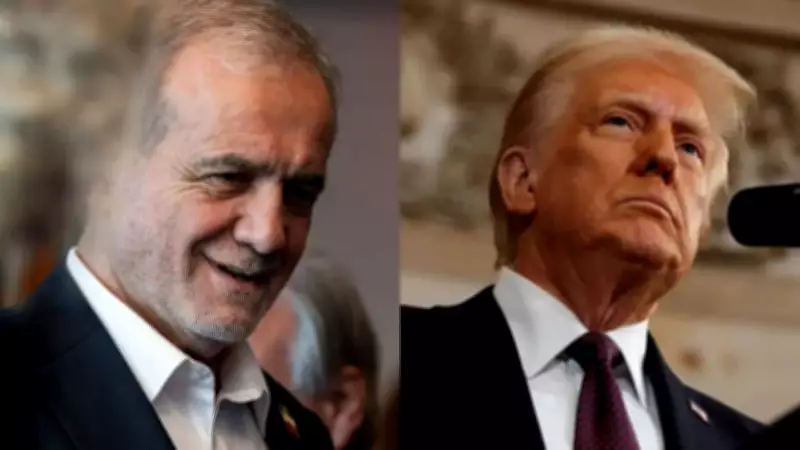
US-Iran Conflict Continues as Peace Talks in Islamabad Collapse
After nearly six weeks of escalating military tensions between Iran and the United States, a fragile ceasefire has been established, but lasting peace remains elusive following the breakdown of negotiations in Islamabad. The diplomatic failure has left both nations in a precarious standoff, with Washington intensifying its pressure campaign against Tehran.
Trump Escalates Pressure with Strait of Hormuz Threat
US President Donald Trump has dramatically raised the stakes by warning of strong military action if Iran refuses to keep the Strait of Hormuz open to international shipping. His latest threat specifically includes a potential US naval blockade of this critical maritime chokepoint, through which approximately 20% of the world's crude oil supply passes daily.
This aggressive posture follows a familiar pattern from the Trump administration. Months earlier, similar tactics were employed against China, with threats to cut exports and impose 100% tariffs. Now, facing heightened tensions with Iran, Trump appears to be deploying the same strategy of escalating pressure to force diplomatic negotiations.

Iran Adopts China's Strategic Playbook
Iran is responding to American pressure in a manner reminiscent of China's earlier approach during trade disputes. When confronted with US tariffs, China strategically restricted exports of rare-earth minerals—elements critical for electronics and defense systems—which ultimately forced Washington to ease some economic pressure.
"China made that list strategically," noted Mel Sanderson, a director at American Rare Earths, in comments to Reuters. China currently produces about 90% of global rare earths supply, while the United States operates only one mine and remains largely dependent on Chinese exports.
Iran is now leveraging its geographic control over the Strait of Hormuz in a similar strategic manner. The Iranian government views this narrow waterway as its primary bargaining chip against American pressure, using it to influence global oil supplies and push for more favorable negotiation terms. Despite strong warnings from Washington, Iranian authorities have shown no signs of backing down.
Transformation of the Strait of Hormuz
Before the recent conflict, the Strait of Hormuz—a narrow maritime passage carrying approximately one-fifth of the world's oil and gas—was treated as an international waterway. While Iran monitored shipping activity and occasionally harassed or intercepted vessels, it did not attempt to assert full control over the strategic passage.
That situation has fundamentally changed. Iran has transitioned from merely tracking tankers to effectively controlling maritime movement, acting as a gatekeeper by determining which ships can pass and under what conditions. Iranian authorities are now seeking to charge vessels for safe passage through the strait.
From the perspective of Gulf nations, these developments have raised serious security concerns. Regional mistrust of Iran has deepened following its military strikes on energy infrastructure and commercial hubs throughout the Middle East.
Global Markets React to Escalating Tensions
The economic impact of the US-Iran standoff is already visible in international markets. Following President Trump's blockade threat, Brent crude prices surged by 8% to reach $103 per barrel, with financial analysts warning of further increases should tensions continue to escalate.
Higher oil prices are expected to directly affect consumers worldwide. Rising fuel costs could increase overall household expenses at a time when families are already grappling with inflationary pressures across multiple sectors.
Iran's oil exports, estimated at approximately 2 million barrels per day, have been providing significant supply to global markets. Any disruption to this flow could further tighten supplies and drive prices even higher.

Iranian Defiance and Economic Leverage
Iranian leaders have made it clear they are prepared to withstand economic pressure. Mohammad Bagher Ghalibaf, Speaker of the Iranian Parliament, issued a stark warning: "Enjoy the current price of gasoline… you will soon miss $4 to $5 gasoline," suggesting that continued blockade threats would lead to dramatically higher fuel costs globally.
According to a CNN analysis, prolonged conflict between the US and Iran could push oil prices above $120 per barrel, increasing pressure on already strained global economies. Higher fuel costs could also raise borrowing costs and exacerbate inflationary trends worldwide.
Despite military setbacks, Iran continues to hold significant economic leverage through its strategic position along the Strait of Hormuz. For now, Tehran shows no indication of stepping back from its current position, signaling what could become a prolonged and economically damaging standoff with the United States.





