

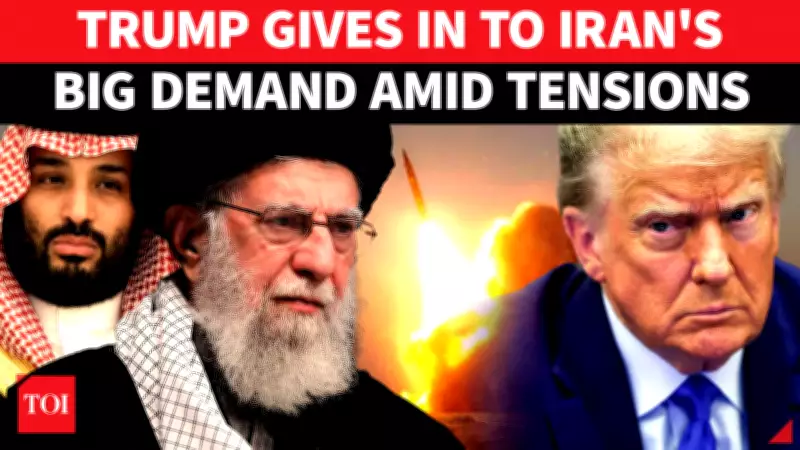
In a significant diplomatic development amid escalating military tensions in the Middle East, the United States has reportedly bowed to Iran's key demand regarding the venue for crucial nuclear negotiations. According to sources cited by Axios, the Trump administration has agreed to shift planned talks from Turkey to Oman, a move that could potentially ease the risk of immediate confrontation between the two nations.
Diplomatic Shift Amid Military Buildup
This decision comes as Washington continues to build up military forces in the Gulf region, creating a tense backdrop for renewed diplomatic engagement. President Donald Trump has issued warnings that failure to reach a satisfactory nuclear agreement could lead to serious consequences, even as negotiations proceed behind closed doors.
Key Players in Revived Talks
U.S. special envoy Steve Witkoff and Iranian Foreign Minister Abbas Araghchi are expected to meet for discussions that could potentially revive the nuclear deal framework. This marks the first direct engagement between the two sides since talks collapsed following last year's brief conflict and strikes on Iranian nuclear facilities.

Strategic Implications of Venue Change
The relocation of talks to Oman represents more than just a logistical change. Oman has historically served as a neutral mediator in regional conflicts and maintains diplomatic relations with both Western nations and Iran. This venue choice suggests both parties may be seeking a more conducive environment for constructive dialogue.
Military Context and Diplomatic Timing
The diplomatic overture occurs against a backdrop of recent military incidents in the region, including drone actions and naval confrontations in strategic waterways like the Strait of Hormuz. The decision to pursue diplomatic channels despite military posturing indicates both nations may be seeking to avoid further escalation while preserving their respective strategic interests.
Potential Outcomes and Regional Impact
Should these renewed talks progress, they could potentially lead to:
- Revival of the nuclear deal framework with updated provisions
- Reduction of immediate military tensions in the Gulf region
- Establishment of more stable communication channels between Washington and Tehran
- Potential economic implications for regional energy markets and global oil prices
The international community will be closely monitoring these developments, as successful negotiations could significantly alter the geopolitical landscape of the Middle East and impact global security arrangements.






