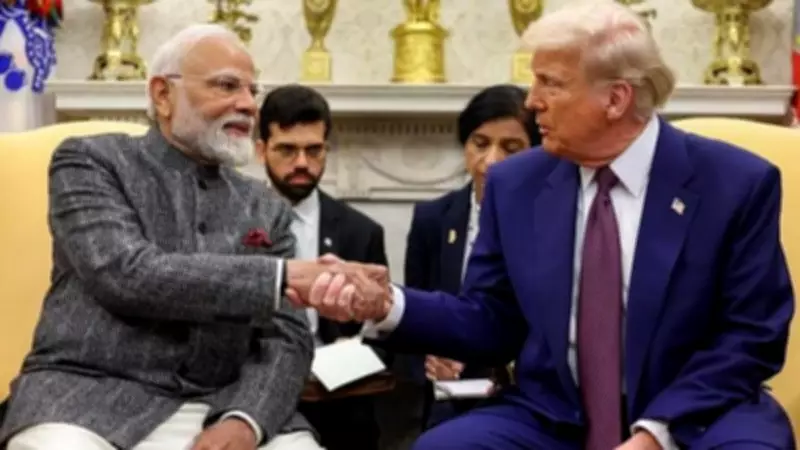
Ranjan Mathai: Oiling the Wheels of an India-US Trade Deal
In a detailed analysis, former Indian diplomat Ranjan Mathai has highlighted the significant pressure from the United States that is actively reshaping India's energy landscape. This pressure is compelling India to navigate complex decisions that pit market opportunities against national sovereignty.
The Geopolitical Context of US-India Relations
Mathai points out that the evolving dynamics between India and the United States are increasingly centered on trade and energy policies. The US is leveraging its economic influence to push for concessions that could alter India's strategic autonomy in the energy sector. This situation underscores a broader trend where global powers use trade deals as tools to advance their geopolitical interests.
Energy Sovereignty Versus Market Access
A critical aspect of Mathai's analysis is the tension between India's need for energy security and the demands of international markets. The US pressure is forcing India to choose between accessing lucrative markets and maintaining control over its energy resources and policies. This dilemma is particularly acute as India seeks to balance its growing energy demands with its commitment to sustainable development.

Key factors influencing this trade-off include:
- Market demands: The US is pushing for greater access to India's energy market, which could boost trade but may compromise India's regulatory frameworks.
- Sovereignty concerns: India must protect its ability to make independent decisions on energy production, distribution, and pricing.
- Global energy trends: Shifts in global energy policies, including moves towards renewable sources, add layers of complexity to these negotiations.
Implications for the India-US Trade Deal
Mathai emphasizes that the success of a potential India-US trade deal hinges on resolving these energy-related conflicts. A balanced agreement must address US interests while safeguarding India's sovereignty. Failure to do so could lead to stalled negotiations or a deal that undermines India's long-term strategic goals.
Potential outcomes of the negotiations:
- Enhanced cooperation: A mutually beneficial deal that boosts trade and supports India's energy security without compromising sovereignty.
- Increased tensions: If pressures mount, it could strain diplomatic relations and hinder broader bilateral cooperation.
- Policy adjustments: India might need to revise its energy policies to align with US expectations, impacting domestic industries and consumers.
Broader Impact on India's Energy Map
Beyond trade, Mathai warns that US pressure is forcing India to reconsider its entire energy strategy. This includes decisions on fossil fuel reliance, renewable energy investments, and international partnerships. The reshaping of India's energy map could have lasting effects on its economic growth and environmental commitments.
In conclusion, Ranjan Mathai's insights reveal a pivotal moment in India-US relations, where trade negotiations are deeply intertwined with energy sovereignty. As India navigates these challenges, the choices made will significantly influence its future on the global stage.