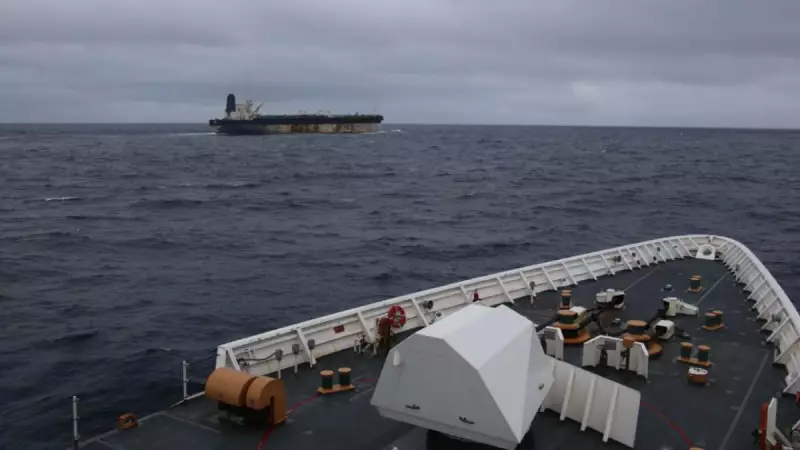
In a dramatic escalation of maritime tensions, the United States has seized a Russian-flagged oil tanker, the MV Marinera, which was reportedly carrying Venezuelan crude oil. The incident, which occurred in recent days, has triggered a furious diplomatic response from Moscow, with officials branding the American action as nothing short of 'state piracy.'
The Seizure of MV Marinera: A Provocative Move
According to reports, the United States government executed the seizure of the vessel, MV Marinera, citing its enforcement of sanctions against Venezuela. The tanker, flying the Russian flag, was allegedly transporting Venezuelan oil, a commodity under strict American embargoes designed to pressure the government of President Nicolás Maduro. This bold move by Washington represents a direct challenge to Russian maritime interests and its economic dealings with Caracas.
The Russian Foreign Ministry was swift and vehement in its condemnation. Officials released a statement expressing 'extreme outrage' at the United States' actions. They accused Washington of violating international law and engaging in illegal confiscation of property. The term 'piracy' was repeatedly used by Russian spokespersons to describe the seizure, highlighting the depth of their anger and the potential for a significant diplomatic rift.

Russia's Furious Response and Geopolitical Implications
The seizure is not an isolated event but a flashpoint in the broader geopolitical struggle involving the United States, Russia, and Venezuela. For years, the US has imposed crippling sanctions on Venezuela's oil industry, its economic lifeline, to force a political change. Russia, alongside China, has been a key ally for Maduro, providing economic and political support, including the purchase of oil and military cooperation.
By intercepting a Russian-flagged vessel, the US has taken its sanctions enforcement to a new, more confrontational level. Analysts suggest this could be a test of resolve, probing Moscow's willingness to directly confront American policy in what Washington considers its sphere of influence. The incident threatens to further poison the already strained relations between the two nuclear powers, adding a maritime dimension to their existing disputes over Ukraine, cybersecurity, and arms control.
The timing of the seizure is also critical, as it comes amidst a period of heightened global tensions. It raises immediate questions about the safety of other vessels involved in similar trade and the potential for dangerous encounters at sea. The Russian response, beyond fiery rhetoric, could involve retaliatory measures, which might range from diplomatic expulsions to symmetric actions against American commercial interests.
What Happens Next? The Path of Escalation or De-escalation
The international community is now watching closely to see how this crisis unfolds. The key questions are whether Russia will limit its response to diplomatic protests or take more tangible steps. There is also the matter of the vessel's crew and the legal justification presented by the United States for the seizure under its unilateral sanctions regime, which many nations, including Russia, do not recognize.
This event underscores the growing use of economic sanctions as a tool of geopolitical conflict, with collateral damage extending to global shipping and international law. For India, a nation that maintains strategic relationships with both the US and Russia and is also a major importer of oil, such incidents highlight the volatility of energy markets and the complex navigation required in a multipolar world where unilateral actions can have widespread repercussions.
In conclusion, the US seizure of the Russian-flagged tanker MV Marinera has opened a new front in an ongoing geopolitical contest. With Moscow enraged and calling it piracy, and Washington standing firm on its sanctions policy, the situation remains tense. The coming days will reveal whether this incident leads to a dangerous cycle of escalation or if behind-the-scenes diplomacy can calm the troubled waters.