

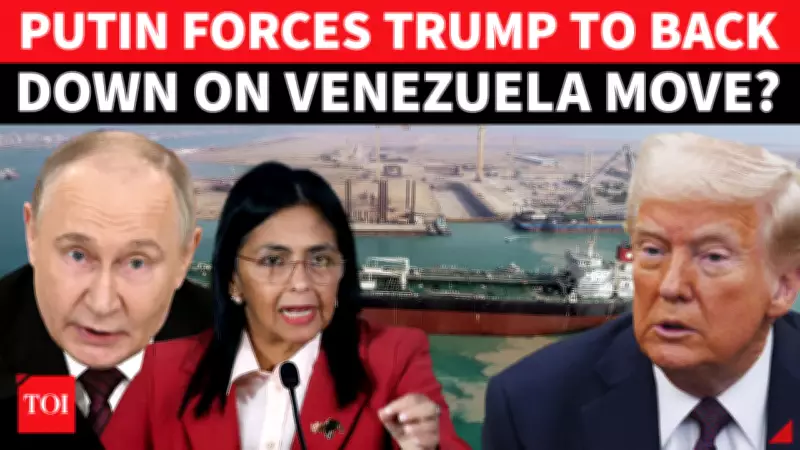
The United States has executed a surprising diplomatic maneuver that has caught international observers off guard. Following weeks of aggressive enforcement actions against Venezuelan oil exports, Washington appears to be softening its stance in a development that could signal a broader policy recalibration.
Unprecedented Tanker Release
According to multiple reports, American authorities are preparing to return the Panama-flagged supertanker M/T Sophia to its operators. This vessel was detained in the Caribbean earlier this month as part of Washington's comprehensive crackdown on Venezuelan petroleum shipments. The impending release represents the first instance of a seized tanker being returned since the sanctions regime began.
Strategic Implications
This unexpected development raises significant questions about the Trump administration's evolving approach to Venezuela. The decision to release the tanker quietly and without public explanation suggests behind-the-scenes diplomatic calculations that may reflect changing geopolitical priorities. Observers note this could indicate a potential de-escalation in tensions between Washington and Caracas.

Broader Context of US-Venezuela Relations
The tanker seizure occurred during a period of heightened confrontation between the United States and the government of Nicolás Maduro. American sanctions have targeted Venezuela's oil industry extensively, aiming to pressure the socialist government through economic means. The detention of the M/T Sophia was viewed as a particularly aggressive enforcement action within this broader strategy.
Regional Security Considerations
The Caribbean has become a focal point for maritime security concerns involving Venezuelan oil shipments. The initial seizure demonstrated Washington's willingness to employ naval assets to enforce sanctions, while the reported release suggests a more nuanced approach may be emerging. This development occurs against a backdrop of complex regional dynamics involving multiple international actors.
The timing of this policy shift is particularly noteworthy, coming just days after Venezuelan Vice President Delcy Rodríguez assumed military command responsibilities amid escalating tensions. The United States' apparent willingness to return seized assets could potentially open diplomatic channels that have remained largely closed during recent confrontations.
Future Implications
This development may signal several possible directions for US policy toward Venezuela:
- A tactical adjustment in sanctions enforcement strategy
- Recognition of practical limitations in maritime interdiction operations
- Potential preparation for renewed diplomatic engagement
- Response to changing geopolitical calculations in the Western Hemisphere
While the immediate reasons for the tanker's impending release remain unclear, the move represents a significant departure from previous enforcement patterns. It suggests the Trump administration may be reevaluating its Venezuela strategy amid broader international challenges and domestic political considerations.






