

US Treasury Official Links Future Russia Sanctions to Peace Talks Progress
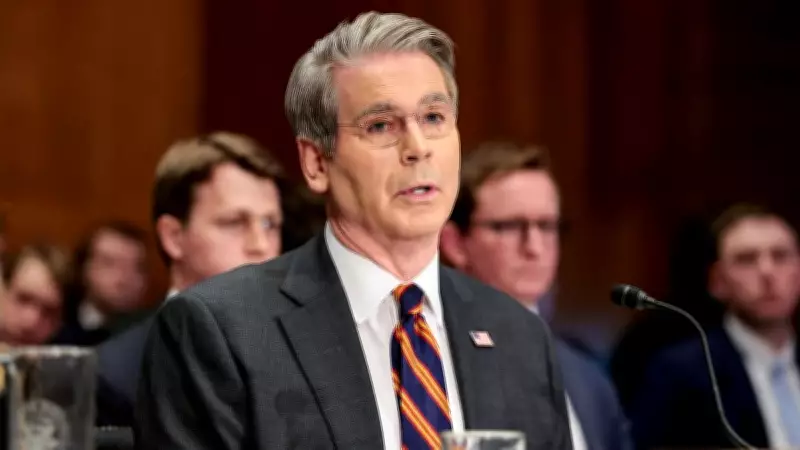
In a significant development at a Senate Banking Committee hearing, Scott Bessent, a key official from the US Treasury Department, indicated that the imposition of additional sanctions on Russia is directly tied to the outcomes of ongoing peace negotiations. This statement underscores a strategic shift in US foreign policy, emphasizing diplomatic resolutions over unilateral punitive measures.
Bessent's Remarks at the Senate Hearing
During the hearing, Bessent was questioned about the potential for escalating sanctions against Russia in response to ongoing geopolitical tensions. In his response, he adopted a cautious and measured tone, stating, "I will take it under consideration. We will see where the peace talks go." This remark highlights the US government's intention to use sanctions as a leverage tool in diplomatic efforts, rather than as an immediate reactionary measure.
The hearing, which took place on February 6, 2026, focused on various economic and international issues, with Russia's actions being a central topic of discussion. Bessent's comments reflect a broader administration strategy aimed at balancing economic pressure with diplomatic engagement to foster stability and peace in conflict-affected regions.

Implications for US-Russia Relations
This approach signals a potential recalibration in US-Russia relations, where sanctions are viewed not just as penalties but as instruments to encourage constructive dialogue. Key implications include:
- Diplomatic Flexibility: By linking sanctions to peace talks, the US retains flexibility to adjust its stance based on diplomatic progress.
- Economic Leverage: Sanctions serve as a bargaining chip, potentially incentivizing Russia to engage more earnestly in negotiations.
- International Coordination: This strategy may align with efforts by other nations, promoting a unified approach to conflict resolution.
Experts suggest that such a policy could help de-escalate tensions, but it also raises questions about the effectiveness of sanctions if they are perceived as conditional. The global community will be closely monitoring the progress of these peace talks, as their outcomes could significantly impact international trade, security, and diplomatic alliances.
Context and Background
The statement comes amid ongoing conflicts and geopolitical strife involving Russia, which have led to previous rounds of sanctions from the US and its allies. These measures have targeted various sectors of the Russian economy, including finance, energy, and defense, with the aim of curbing aggressive actions and promoting peace.
Bessent's remarks were reported by Reuters and have sparked discussions among policymakers and analysts about the future trajectory of US foreign policy. As the situation evolves, the Treasury Department's stance will likely influence not only bilateral relations but also global economic stability and security frameworks.
In summary, Scott Bessent's testimony highlights a nuanced approach where further sanctions on Russia are contingent upon the direction and success of peace talks, marking a pivotal moment in international diplomacy and economic strategy.






