

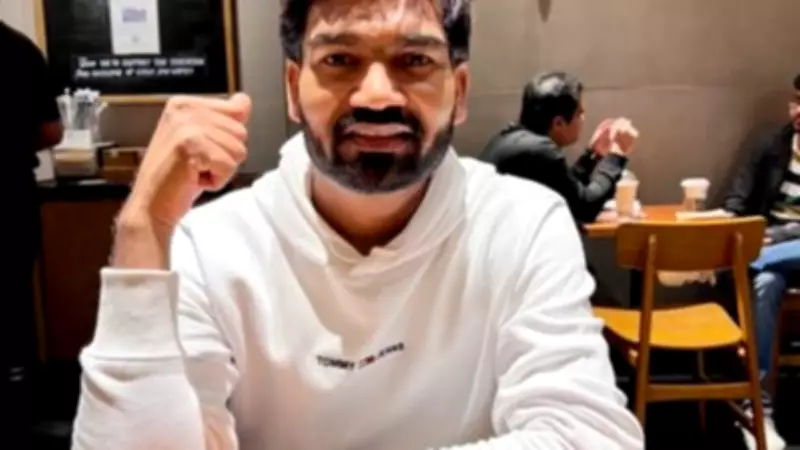
Indian CEO Jasveer Singh's US Visa Rejected Under 214(b) Clause
Jasveer Singh, the co-founder and CEO of the Indian company Knot Dating, has publicly expressed his frustration after his United States visa application was denied. The rejection was issued under Section 214(b) of the Immigration and Nationality Act, with the U.S. embassy citing "weak ties to India" as the primary reason.
CEO's Strong India Connections Deemed Insufficient
In a detailed social media post, Singh highlighted the apparent contradiction in the embassy's decision. He emphasized that he has been running his business in India for the past 13 years, employs a team of people within the country, and consistently pays all applicable taxes to the Indian government.
"US visa denied under 214(b). Reason - weak ties to India. The irony is that I run a company in India, employ people in India, pay taxes in India, and have built everything here over the last 13 years. Apparently, that is not enough proof that I'll return to India," Singh stated.

Criticism of the U.S. Visa Evaluation Process
The Indian entrepreneur did not hold back in his criticism of the visa adjudication process. He directly addressed U.S. diplomatic officials, suggesting a fundamental flaw in their assessment methodology.
"I'm more committed to India than your process is to logic. If this is your standard, either your definition of intent is broken or your evaluation process needs serious review. Train your New Delhi consulate teams better," Singh remarked, tagging the U.S. Ambassador to India in his message.
Social Media Scrutiny as a Potential Factor
Singh also revealed that consular officers conducted a thorough check of his social media history during the application review. He speculated that past posts might have contributed to the negative outcome.
"They check social media too now. A friend advised that next time, just delete your tweets about the U.S. and NRIs before the interview, and your visa gets approved," he shared, hinting at a perceived inconsistency in how online activity is weighed against tangible economic ties.
The Broader Implications of Section 214(b)
Section 214(b) is a common ground for U.S. visa denials, particularly for visitor visas. It presumes that every applicant is an intending immigrant until they can demonstrate strong non-immigrant intent by proving sufficient ties to their home country.
This case raises significant questions about how U.S. consular officers evaluate such ties for established business professionals. Singh's situation illustrates that even substantial, long-term economic and professional commitments in India can be deemed insufficient under the current interpretation of the law.
The incident has sparked discussion within the Indian entrepreneurial community about the challenges faced by legitimate business travelers seeking short-term U.S. entry. It underscores the often-opaque nature of visa decision-making and the high burden of proof placed on applicants from countries with high immigration rates to the United States.






