

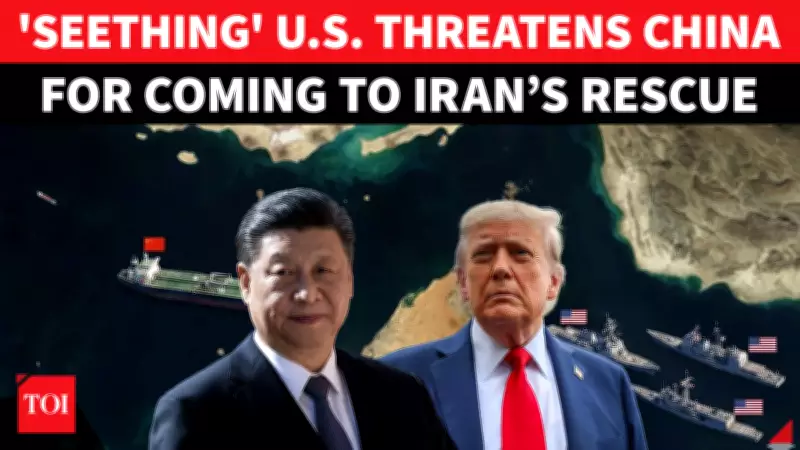
US Escalates Pressure on Iranian Oil Trade with Sanctions Warning to Chinese Banks
The United States has intensified its crackdown on Iran's oil exports, issuing a stern warning to countries and financial institutions, including Chinese banks, that they face severe sanctions if found facilitating Iranian oil purchases. Treasury Secretary Scott Bessent confirmed that Washington will not renew waivers that previously allowed Iranian oil shipments at sea to reach international markets, marking a significant policy shift.
Broad Sanctions and Warnings Issued
In a move signaling a tougher enforcement phase, the U.S. has sanctioned dozens of entities linked to Iran's oil transport network. Warnings have been extended to key financial hubs such as China, Hong Kong, the United Arab Emirates, and Oman. This action is part of a broader strategy to cut Tehran's revenue streams, even as global energy markets remain highly sensitive to potential supply disruptions.
The decision underscores the Biden administration's commitment to tightening economic pressure on Iran, despite concerns about rising oil prices and geopolitical instability. Analysts note that this could strain U.S.-China relations, given China's role as a major importer of Iranian oil.

Implications for Global Trade and Energy Markets
The sanctions threat comes amid ongoing tensions in the Middle East, with recent reports of potential blockades in the Strait of Hormuz adding to market volatility. By targeting financial channels, the U.S. aims to disrupt Iran's ability to fund its activities, including support for proxy groups in the region.
This development highlights the complex interplay between energy security, international diplomacy, and economic sanctions, with potential ripple effects on global trade flows and banking compliance standards worldwide.






