The United States has formally welcomed the recent passage of India's 'Shanti' bill, a legislative move seen as a significant step towards unlocking a deeper and more strategic partnership in the civil nuclear and clean energy sectors. The endorsement from a top US diplomat signals Washington's strong support for New Delhi's energy ambitions and marks a forward leap in bilateral cooperation.
US Diplomat Lauds Legislative Progress
Donald Lu, the US Assistant Secretary of State for South and Central Asian Affairs, publicly commended the Indian Parliament for clearing the Civil Liability for Nuclear Damage (CLND) Amendment Bill, colloquially known as the 'Shanti' bill. Lu highlighted that this development addresses a long-standing concern for American companies by resolving issues related to nuclear liability. This legislative change is pivotal for implementing the landmark US-India civil nuclear agreement, which was signed in 2008 but faced hurdles in practical execution.
"We welcome the passage of legislation related to nuclear liability. This is something US companies have been interested in for some time," Lu stated, underscoring the importance of a clear legal framework for international collaboration. The US official's remarks were made during a briefing focused on the outcomes of the recent 2+2 Ministerial Dialogue between the two nations.
Fueling a Broader Clean Energy Alliance
The support for the Shanti bill is not an isolated gesture but part of a larger, ambitious vision for energy collaboration. Lu explicitly connected this progress to the broader goals of the US-India Strategic Clean Energy Partnership (SCEP). This partnership serves as a primary platform for deepening engagement across a wide spectrum of energy technologies.
The collaboration now extends beyond traditional civil nuclear power into cutting-edge areas critical for a sustainable future. Key pillars of this expanded partnership include:
- Civil Nuclear Energy: Finalizing arrangements for long-pending projects like the Westinghouse nuclear power plant, which has been in discussion for years.
- Hydrogen Development: Cooperating on the production and use of green hydrogen as a clean fuel alternative.
- Carbon Capture & Storage: Working together on technologies to reduce emissions from existing industrial processes.
- Energy Storage: Collaborating on advanced battery storage solutions to support renewable energy integration.
- Renewable Energy: Accelerating the deployment of solar, wind, and other renewable sources.
Strategic Implications and Future Trajectory
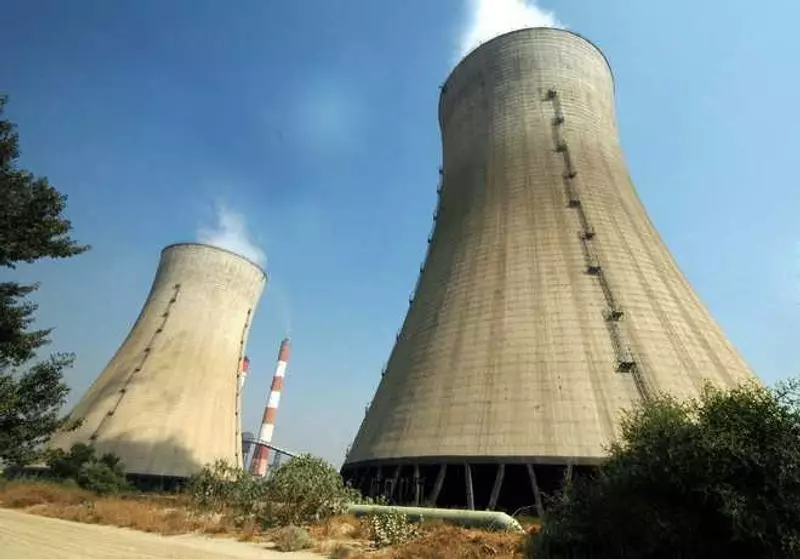
The US endorsement carries substantial strategic weight. It demonstrates a concrete move from diplomatic agreement to actionable implementation, a shift that has been eagerly awaited by the business and strategic communities in both countries. By resolving the liability issue, India has effectively removed a major roadblock that had discouraged foreign nuclear suppliers, including those from the US, from participating in its ambitious nuclear energy expansion plans.
This development is expected to have several immediate and long-term consequences:
Firstly, it will provide fresh momentum to the stalled Westinghouse reactor project. With a clearer liability pathway, negotiations can progress more smoothly towards the construction of six nuclear power plants in India. Secondly, it reinforces the US-India partnership as a central axis for technology-driven solutions to global climate challenges. The partnership positions both nations as leaders in the transition to a low-carbon economy.
Finally, the move strengthens the overall comprehensive global strategic partnership between Washington and New Delhi. It shows that both sides are capable of working through complex technical and legal issues to achieve shared strategic objectives. The successful collaboration in the sensitive nuclear energy sector sets a positive precedent for cooperation in other advanced technology domains, from space to cybersecurity.
In conclusion, the US welcome for India's Shanti bill is far more than a diplomatic nicety. It is a key that unlocks the next phase of a critical energy partnership, aligning with India's goals for energy security and clean power, while advancing America's strategic and economic interests in the Indo-Pacific region. The focus now shifts to the swift translation of this legislative progress into tangible, on-the-ground projects that will power homes and industries for decades to come.