Uttarakhand and Himachal Pradesh Unite to Strengthen Disaster Management in the Himalayas
In a significant move to address the escalating threats posed by natural disasters, the Himalayan states of Uttarakhand and Himachal Pradesh have formally agreed to enhance mutual cooperation in disaster management. This decision recognizes their shared vulnerabilities to a range of hazards, including landslides, flash floods, cloudbursts, and earthquakes, which are increasingly common in the fragile Himalayan ecosystem.
High-Level Meeting Paves the Way for Collaboration
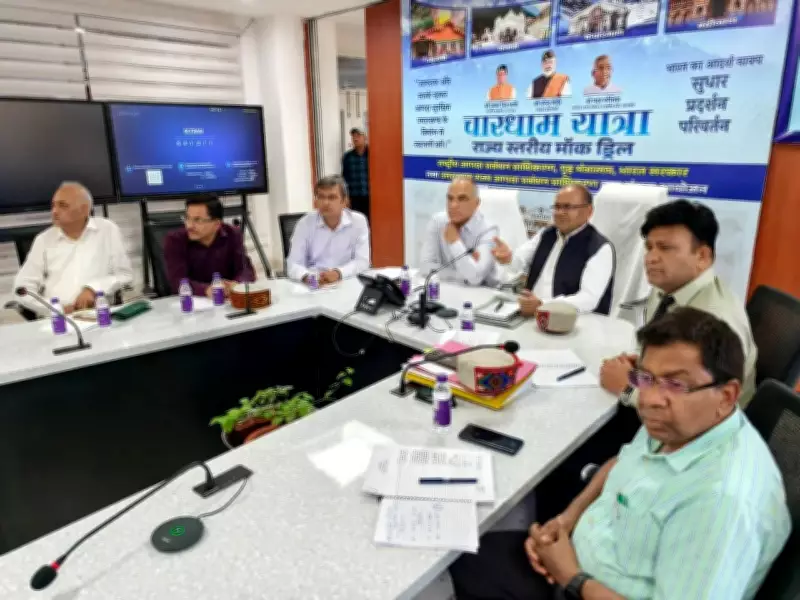
The agreement was reached during a high-level visit by Himachal Pradesh Additional Chief Secretary Kamlesh Kumar Pant to the Uttarakhand State Disaster Management Authority (USDMA) on Monday. During the meeting, Uttarakhand Disaster Management and Rehabilitation Secretary Vinod Kumar Suman delivered a comprehensive presentation detailing the state's proactive initiatives in disaster risk reduction, preparedness, rapid response mechanisms, risk assessment protocols, and public awareness campaigns.
Kamlesh Kumar Pant emphasized the critical nature of this partnership, stating, "Both states face similar geographical and environmental challenges, making it essential to share experiences, innovations, and best practices to minimise disaster impacts." He specifically praised Uttarakhand's Centre of Excellence for Landslide Mitigation and Management, expressing keen interest in establishing a similar facility in Himachal Pradesh with technical support from Uttarakhand.

Sharing Technology and Expertise
Pant also commended Uttarakhand's advanced landslide mitigation systems and the innovative 'Bhudev' application, highlighting their potential applicability and usefulness for Himachal Pradesh. Officials from both sides stressed the importance of developing robust communication systems during disasters to ensure timely and effective responses.
The disaster data response network (DDRN), which was developed in Rudraprayag, was discussed as a successful model that could be replicated in other regions. This network is designed to facilitate faster information exchange during emergencies, thereby improving coordination and saving lives.
Addressing Glacial Lake Outburst Floods (GLOFs)
Amid growing concerns over glacial lake outburst floods (GLOFs) in the Himalayan region, both states underscored the urgent need for closer collaboration. They agreed to work together on monitoring glacial lakes, issuing timely warnings, and strengthening mitigation measures to prevent catastrophic events. Uttarakhand officials noted that coordinated efforts would be crucial in reducing the impact of major disasters, particularly those related to glacial activity.
Formalizing Cooperation Through MoUs
To institutionalize this partnership, the two states have decided to sign formal memorandums of understanding (MoUs). These agreements will cover various sectors, enabling the exchange of knowledge, technology, training programs, and resources. A key area of focus will be sharing expertise in earthquake-resistant construction techniques, which are particularly relevant for hill regions to minimise loss of life and property during seismic events.
The meeting was attended by senior officials from both states, including representatives from disaster management authorities and related departments, ensuring a comprehensive approach to this collaborative effort. This alliance marks a proactive step towards building resilience and safeguarding communities in the face of increasing environmental challenges in the Himalayas.