

White House Tug-Of-War Over How To Declare Victory; Is Putin The Biggest Winner In Iran War?
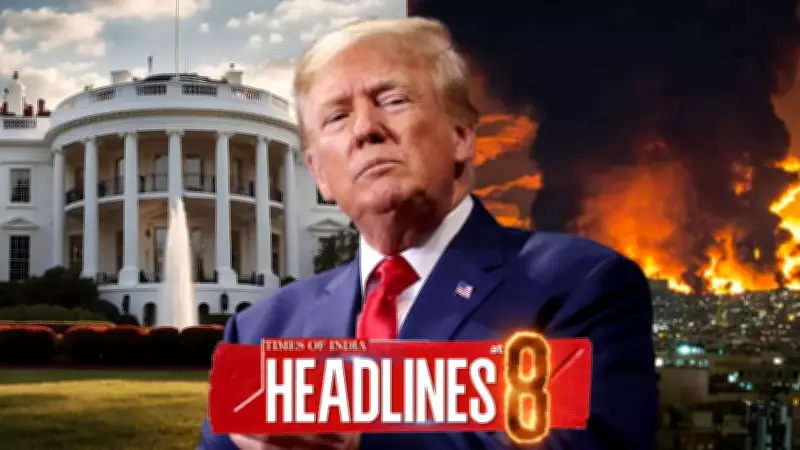
War drums are growing increasingly louder across the Middle East as critical questions emerge regarding whether former President Donald Trump anticipated the fierce and determined response from Tehran. Multiple reports indicate a tense internal tug of war is currently unfolding inside the White House, with senior advisers and officials deeply divided over how to strategically frame a declaration of "victory" even as the military conflict with Iran continues to escalate and spread dangerously across the wider region.
This escalating situation is raising profound fears among analysts and diplomats of a much wider and more prolonged war that could destabilize global security. The financial and human cost of the ongoing conflict is mounting at a rapid and alarming pace. Conservative estimates from defense analysts suggest the United States has already spent more than a staggering $11 billion in just the first six days of intensive military operations alone.
Economic Shockwaves and Mounting Costs
This enormous price tag is expected to soar dramatically higher as the American military campaign expands its scope and intensity. Simultaneously, sharp oil price spikes directly linked to heightened tensions and potential blockades around the critical Strait of Hormuz are pushing fuel costs significantly higher for consumers and industries. This economic pressure means ordinary American citizens are already beginning to feel the tangible financial shock of the war through increased prices at gasoline pumps and potential inflation.

Amid this growing turmoil and confusion, Trump reportedly told fellow leaders at a recent Group of Seven summit that Iran was "about to surrender" because its top leadership had been effectively wiped out by targeted strikes. However, in a stunning reversal just twenty-four hours later, Iran's newly appointed Supreme Leader Mojtaba Khamenei publicly vowed to keep fighting relentlessly and promised severe vengeance against the United States and its allies.
Strategic Implications and Global Winners
This defiant statement signals clearly that the military and political confrontation is far from over and may intensify. The internal White House divisions over victory narratives highlight deeper strategic uncertainties. As American resources and attention remain fixated on the Middle East, geopolitical analysts are increasingly questioning whether Russian President Vladimir Putin is emerging as the biggest unintended winner of this conflict.
Putin's government stands to gain significant strategic advantage as Western powers, particularly the United States, become militarily and diplomatically entangled in a prolonged Middle Eastern war. This distraction could provide Russia with greater freedom to advance its own interests in Eastern Europe, the Arctic, and other global theaters while benefiting from energy market disruptions caused by the conflict.
The combination of White House disunity, escalating war costs, and potential geopolitical realignments presents a complex and dangerous scenario that extends far beyond the immediate battlefield, with implications for global power dynamics that may last for years to come.






