White House Reacts with 'WTF' to Israel's Surprise Strike on Iranian Oil Facilities
The White House reacted with a surprising and blunt "WTF" after Israel, one of the United States' closest allies in the Middle East, conducted a strike on Iranian oil facilities on Saturday. This attack, led by the Benjamin Netanyahu government, was not anticipated by the Donald Trump administration, highlighting the first major disagreement between the two partners. This development comes just a week after they carried out a joint military mission against the Khamenei-led regime in Tehran, as reported by Axios.
Strategic Concerns and Public Backlash
Washington's primary concern revolves around the potential strategic backlash from Israeli strikes on Iranian oil depots. These facilities serve ordinary citizens in addition to power centers, and attacks could inadvertently rally Iranians, strengthening public support for the current regime. Officials fear that such actions might unify the population against external threats, undermining US interests in the region.
Economic Implications and Oil Price Fears
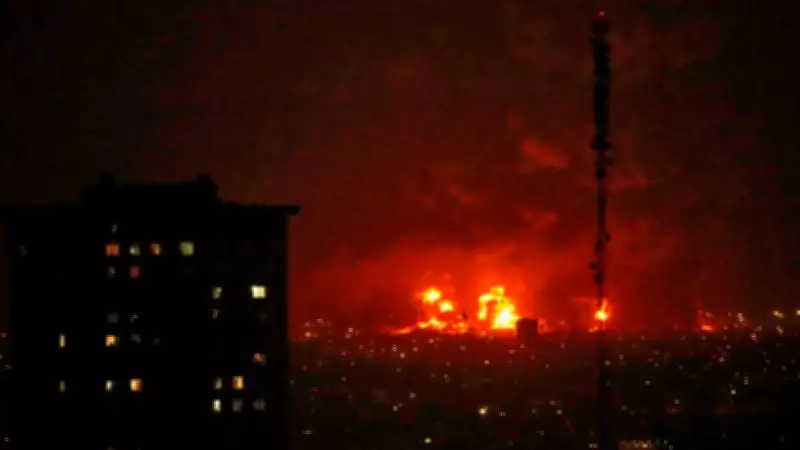
Another significant worry is the impact on global oil markets. Strikes on fuel depots could push oil prices higher, placing a heavier burden on ordinary people in the Islamic Republic. This economic strain might run counter to the interests of the Donald Trump administration, which aims to stabilize energy costs. The Israeli air force strikes triggered large fires in Tehran, with flames visible from miles away and thick smoke covering parts of the capital, amplifying these concerns.

The Israel Defense Forces (IDF) stated that the targeted fuel depots "are used by the Iranian regime to supply fuel to different consumers including its military organs." An Israeli military official added that the strikes were intended to send a message to Iran to cease targeting Israeli civilian infrastructure. While Israeli and US officials confirmed that the IDF informed the US military before carrying out the strikes, a US official expressed surprise at the extensive nature of the attacks.
Internal Reactions and Diplomatic Tensions
A senior US official remarked, "We don't think it was a good idea," while another Israeli official revealed that the message from Washington to Israel was explicitly "WTF." The White House and the IDF have not commented publicly on the matter, but internal discussions indicate growing diplomatic friction. Although the targeted facilities were not oil production sites, US officials worry that images of burning fuel depots could alarm global oil markets, driving energy prices even higher.
A Trump adviser told Axios, "The president doesn't like the attack. He wants to save the oil. He doesn't want to burn it. And it reminds people of higher gas prices." This sentiment underscores the administration's focus on economic stability amid geopolitical conflicts.
Iran's Warning and Regional Escalation Risks
In response, Iran has issued stern warnings about potential retaliation if attacks on its oil infrastructure continue. The spokesman for Iran's Khatam al-Anbiya headquarters, which oversees military operations, noted that Tehran has so far avoided targeting fuel and energy infrastructure in the region but may reconsider. He cautioned that continued strikes could lead Iran to launch similar attacks across the region, potentially pushing oil prices to $200 per barrel.
Iranian parliament speaker Mohammad Bagher Ghalibaf also warned that if infrastructure attacks persist, Iran will retaliate "without delay." These threats highlight the risk of further escalation in an already volatile Middle East.
Future Discussions and Alliance Dynamics
A US official indicated that the disagreement between Washington and Israel over the strikes is likely to be discussed at senior political levels as the conflict continues. This incident marks a pivotal moment in US-Israel relations, testing the strength of their alliance amid ongoing tensions with Iran. The outcome of these discussions could shape future military and diplomatic strategies in the region.