

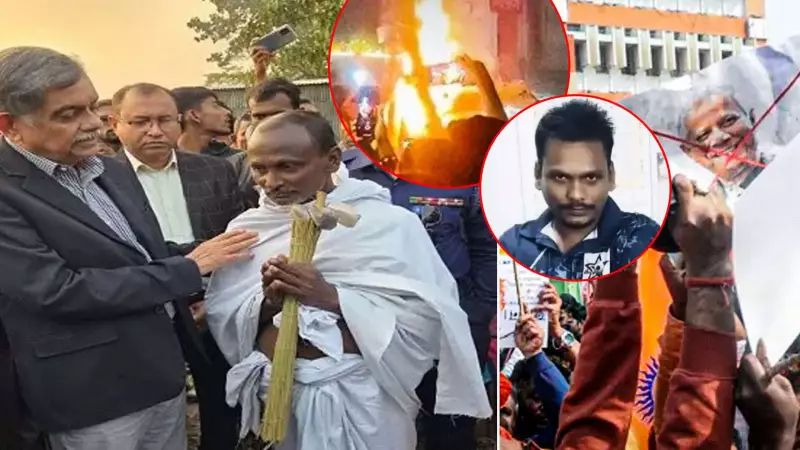
The Muhammad Yunus-led interim government in Bangladesh has publicly assumed responsibility for the family of Dipu Chandra Das, a Hindu factory worker who was lynched in the country over allegations of blasphemy. This move comes in response to widespread outrage and nationwide protests across India following the brutal killing.
Nationwide Outrage and Government Response
India witnessed significant protests after news broke of the lynching of Dipu Chandra Das in Bangladesh. The public anger has now forced the Bangladeshi administration to formally acknowledge its duty towards the victim's dependents. The country's education adviser condemned the act, labeling it a heinous crime with no place in civil society. The adviser also promised comprehensive financial and welfare support for Das's family.
Diplomatic Fallout Between Neighbors
The tragic incident has led to a sharp escalation in diplomatic tensions between the two neighboring nations. Both India and Bangladesh have summoned each other's envoys for discussions, signaling a serious strain in bilateral relations. This diplomatic row unfolds against a backdrop of growing unrest within Bangladesh itself, following the recent death of student leader Osman Hadi.

Questions Over Safety and Governance
The lynching has raised critical questions about the safety of minority communities in Bangladesh and the prevalence of mob violence. Furthermore, it has put the interim government under Muhammad Yunus under intense scrutiny, with many questioning its ability to maintain law and order and control volatile situations. The regime's response to this crisis is being closely watched both domestically and internationally.
The incident, which occurred amid existing social tensions, underscores the challenges facing the Yunus administration. The government's pledge to support the victim's family is seen as a direct attempt to address the national and international condemnation sparked by the killing on December 24, 2025.






