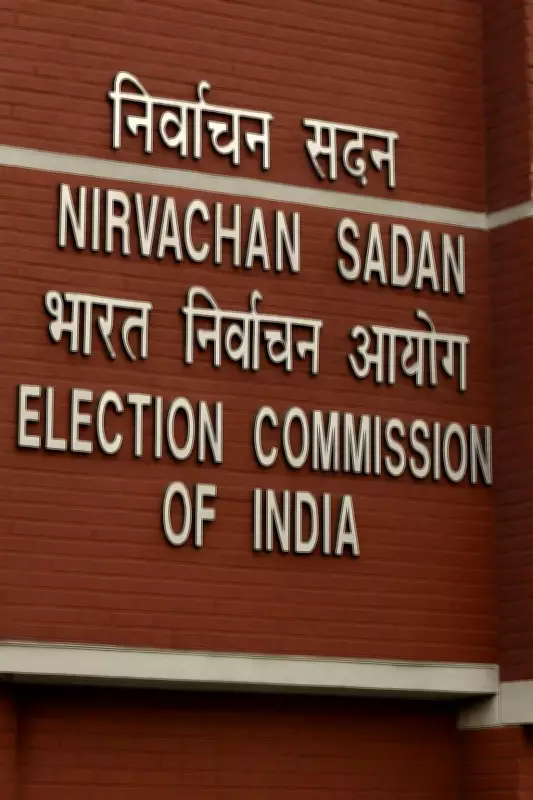
New Delhi: Over 42% of Delhi’s 1.4 crore electors have already been digitally mapped ahead of the Election Commission’s special intensive revision (SIR) of electoral rolls. Under this exercise, booth-level officers (BLOs) in the city will begin door-to-door voter verification from June 30.
Preparations Underway
Ashok Kumar, chief electoral officer of Delhi, stated on Wednesday that preparations for the large-scale revision are in full swing. Training of BLOs, printing of enumeration forms, and arranging logistics will be undertaken between June 20 and June 29. The house-to-house visits by BLOs will continue until July 29.
Legal Basis and Objectives
The Election Commission has ordered the SIR in Delhi under Article 324 of the Constitution and provisions of the Representation of the People Act, 1950. The revision is scheduled to start in June and conclude by October 7. The primary aim is to remove duplicate and ineligible entries while ensuring all eligible voters are included in the rolls.

“The EC announced the revision because many changes have occurred in the existing rolls due to frequent migration since the last SIR was conducted in 2002. This has resulted in many electors being registered in more than one place. Additionally, deceased voters need to be removed from the rolls,” explained an EC official.
Pre-Revision Mapping
As of May 26, over 62.4 lakh electors have been mapped as part of pre-revision activities before the start of field verification. This mapping was conducted over the past few months through special camps organized across the city and by BLOs visiting households.
Delhi has approximately 13,000 polling booths and 13,000 BLOs. “There is one supervisor for every 10 BLOs. Apart from them, volunteers and additional manpower will be utilized during the SIR. In total, we estimate 20,000 to 25,000 personnel will be deployed,” the official added.
Process for Voters
During the exercise, every existing elector whose name appears in the rolls will receive two copies of an enumeration form from the BLOs. Each voter must fill in one copy and return it during the verification process. Voters also have the option to submit the completed forms online. If a house is locked, BLOs will leave the forms on the premises and make at least three follow-up visits to collect them.
The electoral rolls from Delhi’s last SIR, conducted in 2002, have been uploaded on the CEO Delhi website to help voters retrieve older records. Electors who moved to the city from other states after 2002 can trace their earlier details through the EC portal related to the state or place from where they relocated and get themselves mapped, said the official.
Rationalisation of Polling Stations
The exercise will also include rationalisation of polling stations. The poll panel has reduced the cap from 1,500 to 1,200 voters per station to improve voter convenience and reduce crowding during elections.
Timeline
The draft electoral rolls will be published on August 5, while claims and objections can be filed until September 4. The final rolls are scheduled to be published on October 7 after disposal of claims and objections.
Transparency and Participation
Kumar emphasized that the SIR will be conducted in a transparent manner with “checks and balances at every stage,” while political parties will participate through booth-level agents (BLAs). Helpdesks and awareness camps will be set up across districts to assist voters during the exercise.