In a significant revision exercise ahead of crucial elections, the Election Commission of India has undertaken a massive clean-up of voter lists. The latest data reveals that a staggering number of electors have been removed from the provisional rolls in a dozen states and union territories.
Scale of the Electoral Roll Revision
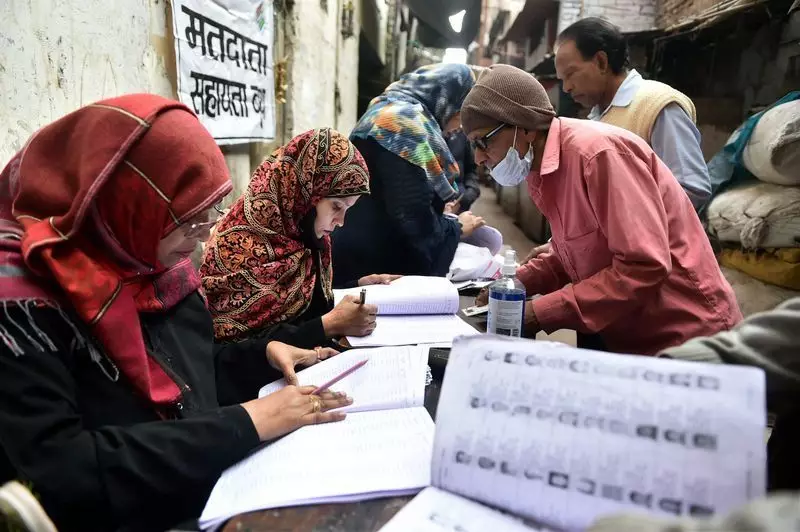
The second special summary revision of electoral rolls for the year 2024 has led to the removal of nearly 6.5 crore (65 million) electors from the draft rolls. This exercise, which is a routine process to ensure list accuracy, was conducted across 12 states and union territories. The primary reasons cited for these deletions are the demise of voters and duplicate entries, aiming to create a purified and reliable voter database.
According to the Election Commission's official statement, the process is designed to weed out inaccuracies. The removal of such a large number underscores the Commission's commitment to maintaining an error-free electoral roll, which is fundamental to the integrity of the democratic process.

Breakdown of Additions and Deletions
While the headline figure focuses on deletions, the revision process is a two-way street. Alongside the removal of 6.5 crore names, the Commission has also facilitated the addition of over 1.41 crore (14.1 million) new electors to the draft rolls. This includes nearly 60 lakh young voters in the age group of 18-19 years who have been enrolled.
The net outcome, therefore, is a more dynamic and updated list. The final electoral rolls will reflect these changes after the ongoing process of claims and objections is completed. This balance between deletion of obsolete entries and inclusion of eligible new voters is critical for ensuring that every legitimate citizen gets their right to vote.
States and UTs Under the Scanner
The second phase of this special summary revision covered specific regions. The 12 states and union territories where this exercise was conducted include key regions like Assam, Jammu and Kashmir, and others. The focus on these areas is part of a phased approach by the Election Commission to systematically update rolls across the entire nation.
The Commission has emphasized that this is a continuous process. Voters whose names might have been deleted due to clerical errors or other reasons have the opportunity to get them reinstated during the claims and objections period. Public awareness campaigns are often run to inform citizens about checking their voter status.
Implications for Democratic Participation
Such a large-scale revision has direct implications for electoral integrity and voter turnout. A clean roll minimizes the potential for electoral malpractices and ensures that polling is smooth and efficient. It also addresses concerns about inflated voter lists that do not reflect the ground reality.
For political parties and candidates, an accurate roll is the bedrock of campaign strategy, helping them target their outreach effectively. For the common citizen, it reinforces trust in the system, knowing that their vote is protected against fraud and that the list is current.
The Election Commission's proactive steps in conducting these revisions, especially the special summary revisions, highlight its role as an independent guardian of India's electoral democracy. The scale of the operation—handling crores of data points—showcases the administrative machinery at work to uphold one of the world's largest democratic exercises.
As India moves closer to future state and national elections, the accuracy of these rolls will be paramount. Citizens are encouraged to verify their details online through the NVSP portal or via the Voter Helpline app to ensure their participation is not hindered on polling day.