Bangladesh's interim government has issued a strong directive to ensure robust security during the upcoming electoral process. The head of the non-partisan caretaker administration, Justice Muhammad Abdul Hafiz, has called upon law enforcement agencies to heighten their vigilance and preparedness.
Interim Leader's Directives on Security Arrangements
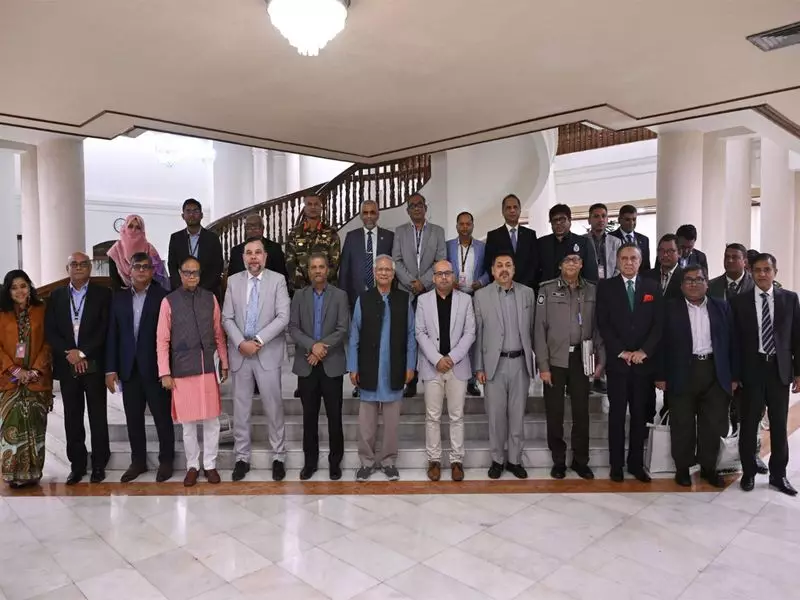
Justice Muhammad Abdul Hafiz, who leads the interim government tasked with overseeing a free and fair election, emphasized the critical need for a secure environment. He instructed officials to implement comprehensive security plans to maintain public order and protect citizens' rights to vote without fear or intimidation. The call to action was made during a high-level review meeting focused on the nation's law and order situation in the lead-up to the polls.
The interim leader stressed that the primary responsibility of the current government is to facilitate a peaceful and credible election. He urged police and other security forces to remain alert and proactive in identifying and mitigating potential threats that could disrupt the democratic process. This includes preventing violence, managing crowds, and ensuring the safety of polling stations, election officials, and voters across the country.
Political Context and Upcoming Electoral Challenge
This security push comes at a crucial time for Bangladesh's political landscape. The country is preparing for a significant national election, a process that has historically been accompanied by political tension and sporadic unrest. The role of the non-partisan interim government, led by a respected former Supreme Court judge, is constitutionally mandated to neutralize partisan advantage and create a level playing field for all political contestants.
The administration of Justice Hafiz has been actively engaging with the Election Commission and other state organs to lay the groundwork for the vote. Ensuring security is seen as a foundational step towards achieving the broader goal of a participatory and uncontested election result. Political analysts note that public confidence in the electoral mechanism often hinges on the perceived ability of the state to guarantee safety and prevent coercion.
Broader Implications for Democratic Stability
The interim government's focus on security underscores the broader challenges facing democratic transitions in the region. A peaceful election is vital not only for Bangladesh's internal stability but also for its international standing and economic prospects. Investors and diplomatic partners closely watch the conduct of elections as a barometer of governance.
By prioritizing law and order, Justice Hafiz's administration aims to preempt conflicts and build trust among competing political factions and the electorate. The success of these security measures will be a key determinant in whether the election is widely accepted as legitimate, both domestically and by the global community. The coming weeks will be critical as plans are operationalized on the ground.