Bihar's Political Fate Awaits November 14 Verdict
The political future of Bihar will be decided on November 14, 2025, when the counting of votes for the state's fiercely contested Assembly elections takes place. This crucial date follows the completion of a two-phase electoral process across all 243 constituencies in one of India's most politically significant states.
Historic Voter Turnout in First Phase
The initial phase of voting, conducted on November 6, witnessed an unprecedented 65.08% voter participation across 121 constituencies spanning 18 districts. This remarkable figure represents the highest ever recorded in Bihar's Assembly election history and marks a substantial increase from the 57.29% turnout registered during the 2020 polls.
According to Bihar's Chief Electoral Officer, the first phase concluded peacefully with minimal incidents reported across polling stations. Officials highlighted the 8% surge in voter participation compared to the previous election, interpreting it as evidence of heightened public engagement in what has become an intensely competitive political battle.

Final Phase and Political Stakes
The second and concluding phase of polling is scheduled for November 11, covering the remaining 122 constituencies across 20 districts. Key battleground areas include Gaya, Nawada, Jamui, Bhagalpur, and Purnia, where both major alliances have intensified their final campaign efforts.
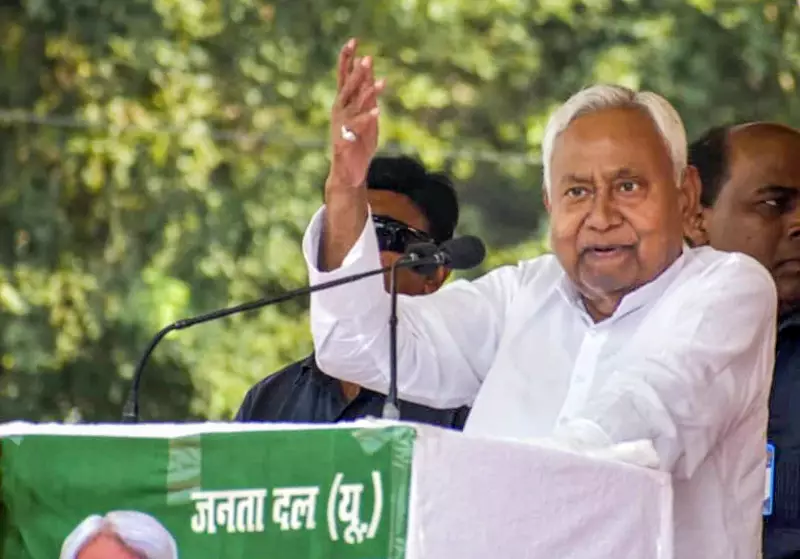
Senior political leaders from both sides have been crisscrossing the state to consolidate support before the mandatory campaign silence period begins. The electoral outcome will determine whether Chief Minister Nitish Kumar's JD(U)-BJP-led National Democratic Alliance (NDA) maintains its grip on power or if Tejashwi Yadav's RJD-led INDIA bloc succeeds in unseating the nine-time chief minister.
What's at Stake for Competing Alliances
For the ruling NDA, which currently commands 132 MLAs in the outgoing Assembly—comfortably above the 122-seat majority mark—this election represents a critical test of continuity and stability under Nitish Kumar's leadership. The alliance is banking on its governance record and development initiatives to secure another term.
Meanwhile, the opposition INDIA bloc sees this contest as a prime opportunity to capitalize on potential anti-incumbency sentiments and address youth discontent to engineer a significant political turnaround in the state. The high voter turnout in the first phase suggests that Bihar's electorate is deeply engaged and could potentially spring surprises when results are announced.
The entire political landscape of Bihar now awaits the November 14 verdict, which will not only shape the state's governance for the next five years but could also have significant implications for national politics.