

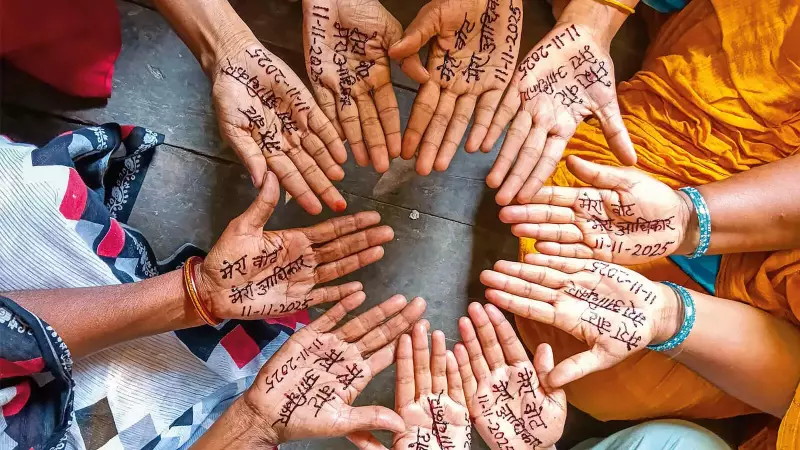
Cash for Votes: Bihar's High-Stakes Gamble
The political landscape in Bihar has taken a dramatic turn with the ruling NDA government announcing direct cash transfers to women voters. This move comes amid ongoing debates about whether elections can be purchased through financial incentives to voters.
Political veteran Swaminathan S Anklesaria Aiyar reveals that for over five decades, he has maintained that elections cannot be bought with cash handouts. This perspective was once shared by Prime Minister Narendra Modi, who frequently criticized such initiatives as 'revadis' or freebies.
The Bihar Cash Transfer Scheme
The NDA government in Bihar has launched a significant cash transfer program targeting female members of self-help groups. The scheme provides Rs 10,000 in cash to approximately 1.4 crore women across the state. This massive financial outreach represents one of the largest direct benefit transfers in recent state history.

In addition to the cash disbursement, the government has also increased pension amounts to Rs 13,200 per year, providing further financial support to vulnerable sections of society.
Political Context and Strategy
This shift toward cash doles appears strategically timed. The BJP's decision to compete in cash handouts follows their significant loss of 63 seats in the 2024 general election. This electoral setback seems to have prompted a change in strategy, which was subsequently tested in state elections in Haryana and Maharashtra.
The critical question now is whether this approach will yield results in Bihar. The answer will become clear on November 14, when election results are announced, revealing whether cash transfers can indeed influence voter behavior.
The move represents a notable departure from the central government's previous stance against freebies. It signals a pragmatic adaptation to ground realities and voter expectations in state-level politics.
Broader Implications for Indian Democracy
This development raises important questions about the evolution of electoral politics in India. The transition from ideological campaigning to direct benefit transfers marks a significant shift in how political parties engage with voters.
The Bihar experiment will be closely watched by political analysts across the country. Its outcome could potentially reshape campaign strategies in upcoming state elections and influence how parties allocate resources during election seasons.
As November 14 approaches, all eyes remain on Bihar to determine whether financial incentives can override traditional voting patterns and loyalties.






