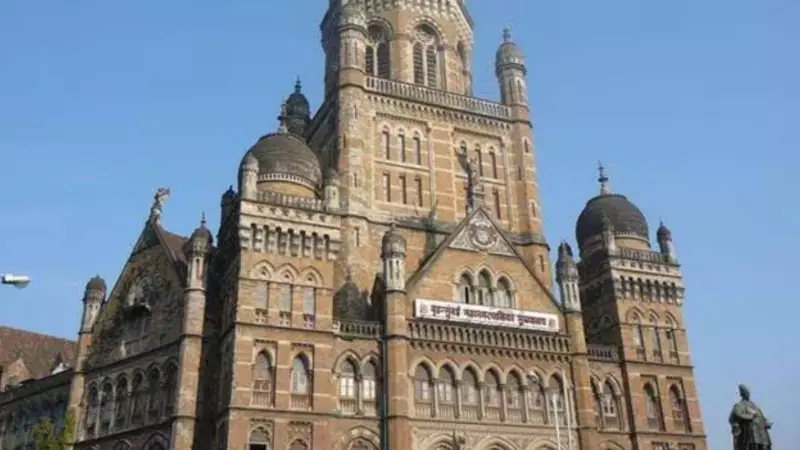
With the Brihanmumbai Municipal Corporation (BMC) elections finally scheduled for January 15, 2026, after a delay of four years, the civic body has taken a significant step to ensure financial transparency. It has constituted special monitoring teams to keep a close watch on the election expenditure of all nominated candidates.
Tax Officials Turned Expenditure Observers
The core objective of this initiative is to enforce the prescribed spending limits and prevent candidates from exceeding them. For the upcoming civic polls, the expenditure cap is set at Rs 15 lakh per candidate. This is notably lower than the limits for parliamentary (Rs 95 lakh) and state Assembly (Rs 40 lakh) elections, which vary based on constituency size.
In a strategic move, the observing teams will be formed from officers of the BMC's own assessment department. This department is primarily responsible for the collection of property tax across Mumbai. "Each ward will have an expenditure observer who will audit the day-to-day expenditures incurred by the candidates," explained a civic official. "The observers will also record video footage of campaign rallies and activities to check for any suspicious financial activities."

Surge in Polling Stations and Unopposed Wins
Meanwhile, civic data reveals a major logistical expansion for the upcoming vote. The BMC has proposed setting up 10,231 polling stations this year, a dramatic increase of nearly 40% from the 7,297 stations used in the 2017 civic polls. Of these new stations, approximately 4,386 will be located inside government buildings and institutions, including schools.
As the State Election Commission's (SEC) deadline for withdrawal of nominations closed, political developments took center stage. Leaders from the ruling Bharatiya Janata Party (BJP) expressed confidence in securing unopposed victories in at least two municipal wards. Former MP Kirit Somaiya announced that in ward number 107 in Mulund, the BJP candidate would win unchallenged as rival parties like Shiv Sena (UBT), MNS, Congress, and NCP (Sharad Pawar) did not field any nominees.
This followed a controversy in the high-profile ward number 226 in Colaba, where the nomination forms of Congress and Aam Aadmi Party (AAP) candidates were cancelled. This left BJP candidate Makarand Narwekar contesting primarily against independents. Opposition parties alleged that Maharashtra Assembly Speaker Rahul Narwekar, the MLA from Colaba, had pressured independent candidates to withdraw. In response, the State Election Commission has sought a formal reply from the BMC's municipal commissioner regarding the incident.
Ensuring a Fair Electoral Process
The formation of expenditure monitoring teams underscores the administration's focus on conducting a fair and rule-based election. By deploying its own tax officials as observers, the BMC aims to bring rigor and accountability to the process of tracking campaign finances. The significant increase in polling stations is also designed to accommodate Mumbai's growing electorate and ensure smoother voting. All eyes are now on the January 15 polls, which will shape the city's governance for the next term.