The Bangladesh Nationalist Party (BNP), a cornerstone of the nation's political landscape, is bracing for a monumental and potentially turbulent transition of power. The party is formally shifting its operational leadership from its incarcerated chairperson, Begum Khaleda Zia, to her son, Tarique Rahman, who currently lives in exile in London. This pivotal change comes just months before the crucial general elections scheduled for February 2024, setting the stage for a high-stakes political battle.
The Mechanics of a Reluctant Handover
This transition is not a voluntary passing of the torch but a move necessitated by severe legal and physical constraints on the party's top leadership. The 78-year-old Khaleda Zia, a former prime minister, has been effectively sidelined from active politics. She is currently serving a 17-year prison sentence on corruption charges, a conviction her party and supporters vehemently claim is politically motivated. Compounding her political isolation, the government has repeatedly rejected her family's appeals for permission to travel abroad for advanced medical treatment, despite her deteriorating health.
With the party chairperson imprisoned and the senior vice-chairman, Tarique Rahman, in forced exile, the BNP has been operating in a leadership vacuum at the highest level. To address this crisis, the party's standing committee, its highest policymaking body, has taken a decisive step. They have officially delegated all executive powers of the chairperson to Tarique Rahman. This empowers him to make critical decisions regarding party strategy, alliances, and election preparations without needing prior approval from Dhaka, streamlining a process otherwise hampered by distance and legal barriers.
Tarique Rahman: The Exiled Leader in the Spotlight
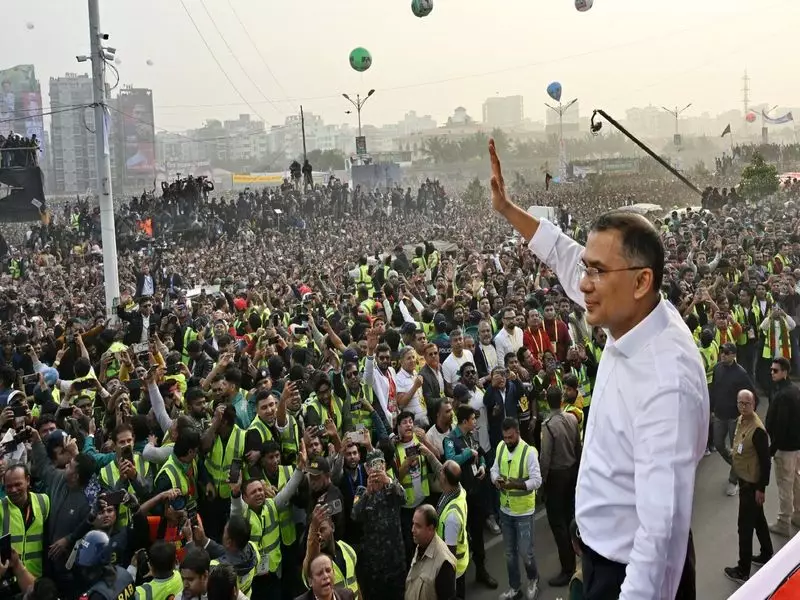
The weight of the party's immediate future now rests on the shoulders of 55-year-old Tarique Rahman. Living in London since 2008, Rahman has been acting as the BNP's de facto leader for years, guiding strategy through virtual meetings. However, his formal anointment as the operational head marks a new chapter. His political journey has been marred by controversy; he was convicted in absentia in the August 21, 2004, grenade attack case and sentenced to life imprisonment. The BNP dismisses this as a sham trial designed to eliminate the Zia family from politics.
Rahman's leadership will be immediately tested. His primary challenge is to unite a party factionalized by years of pressure from the ruling Awami League government and to galvanize a robust campaign for the upcoming polls. His strategy appears to hinge on a one-point movement demanding a neutral caretaker government to oversee the elections, a system abolished by the current government in 2011. The BNP argues that free and fair elections are impossible under the incumbent administration, a stance that has led to major protests and clashes.
Implications for Bangladesh's Political Future
This leadership transition within the BNP has profound implications that extend far beyond the party's internal dynamics. Firstly, it solidifies the control of the Zia family over the party, potentially sidelining other senior leaders and shaping its long-term dynastic character. Secondly, it sets up a direct and deeply personal confrontation between two political legacies: the exiled heir of the Zia family versus the powerful machinery of Prime Minister Sheikh Hasina's Awami League.
The success or failure of this transition will directly impact the credibility and strength of the opposition in the February 2024 elections. If Rahman can effectively mobilize the party and its allies from abroad, the polls could see a fiercely contested battle. However, if the leadership change causes internal dissent or fails to resonate with the electorate, the BNP's ability to present a viable alternative could be severely weakened. The coming months will determine whether this historic shift rejuvenates the opposition or leads to further political consolidation for the ruling party.
As Bangladesh moves closer to election day, the world will be watching how this exiled leader steers one of South Asia's major political parties through one of its most challenging periods, defining the nation's democratic trajectory for years to come.