

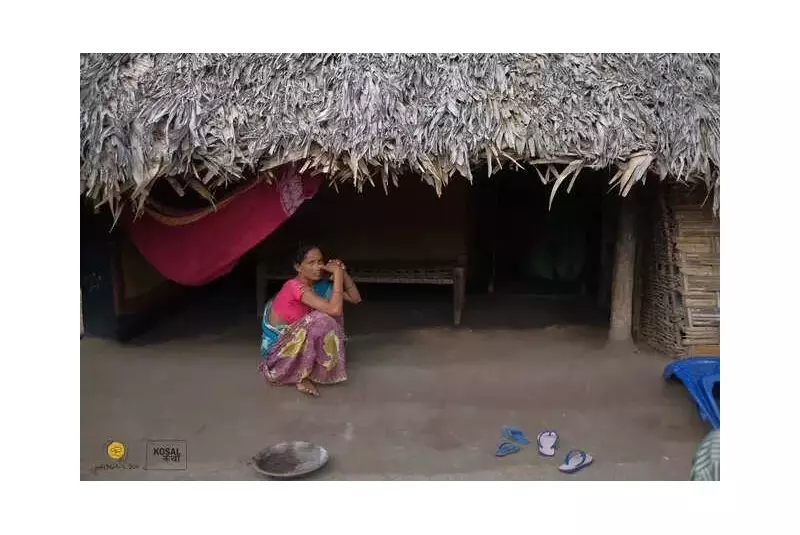
Thousands of internally displaced tribal families from Chhattisgarh, who have been living in neighbouring states for up to two decades, are now confronting the imminent threat of being permanently stripped of their voting rights. This crisis is unfolding during the ongoing Special Intensive Revision (SIR) of electoral rolls, where their names are being deleted on grounds of non-residence.
A Constitutional Crisis in the Making
A formal complaint submitted to the Election Commission of India (ECI) has raised a red flag, stating that large-scale deletion of these voters would constitute a serious violation of constitutional protections. The affected individuals are Internally Displaced Persons (IDPs) from Maoist-affected districts of Chhattisgarh, who fled violence and sought refuge in the forest areas of Telangana and Andhra Pradesh.
Community leaders report that Booth Level Officers (BLOs) in Chhattisgarh have begun removing names without prior notice or proper verification. This action, they argue, directly contravenes Sections 22 and 23 of the Representation of the People Act, 1950. What began as a desperate flight for survival has now turned into a permanent political exclusion, lamented a community representative from Bhadrachalam in Andhra Pradesh.

Two Decades of Displacement and Neglect
Prominent activist Shubhranshu Choudhary outlined the history of this displacement, tracing it back to the 1980s when Maoists first entered remote Bastar villages. The exodus intensified post-2005 with the Salwa Judum movement, forcing families to flee. Ninety percent of today's displaced population fled after 2005.
Currently, these families reside in makeshift settlements without any formal recognition. They lack land titles, ration cards, and official domicile documents. While host states provide basic humanitarian aid like temporary solar panels or water, these clusters are not recognised as formal villages, denying them access to roads, mobile towers, or permanent facilities.
The scale of displacement remains contested. While Telangana officially acknowledges 24,000 displaced persons and Andhra Pradesh cites 8,000, the collective Valasa Adivasulu Samakhya claims the true number exceeds 48,300 individuals. The Chhattisgarh government had previously identified 14,159 IDPs in a survey but failed to follow up with a rehabilitation plan.
The Looming Threat of Becoming "Voters of Nowhere"
The immediate fear is that these displaced citizens will become completely invisible to the electoral process. During the SIR, BLOs visiting empty villages in Bastar are recording residents as missing and striking them off the rolls. The IDPs are trapped in a bureaucratic limbo: they cannot prove residence in Telangana or Andhra Pradesh, and they have no valid documents to retain their registration in their native Chhattisgarh constituencies.
This situation mirrors earlier crises involving Bru refugees, Kashmiri migrants, and those displaced in Manipur, where voting rights were safeguarded only after special mechanisms were instituted. Activists are now demanding similar intervention from the ECI.
The letter to the Election Commission outlines several urgent demands:
- A joint survey by the Chief Electoral Officers of Chhattisgarh, Telangana, and Andhra Pradesh.
- Allowing IDPs to retain voter registration in their home constituencies until formal rehabilitation is complete.
- Acceptance of self-declarations and NGO certificates for re-registration in host states.
- Creation of a temporary Alternative Identification Protocol, akin to those for Bru and Kashmiri migrants.
- Immediate suspension of all voter deletions for identified IDPs.
The National Commission for Scheduled Tribes (NCST) is seized of the matter, but progress is reportedly stalled. The Election Commission of India and Chhattisgarh's Chief Electoral Officer have yet to issue an official response to the allegations and demands. For thousands of Adivasi families, the right to choose their representatives now hangs in the balance, threatening to erase their political identity entirely.






