

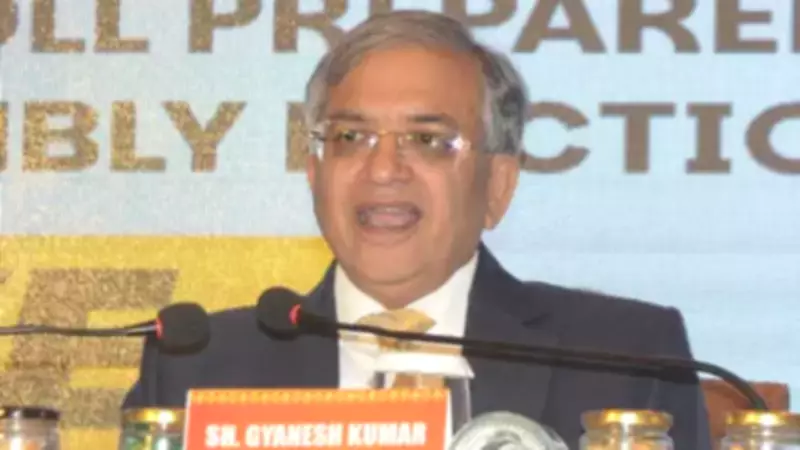
Election Commission Conducts Intensive Briefing for Central Observers Ahead of Assembly Polls
The Election Commission of India has completed a thorough briefing session for all 1,444 central observers appointed to oversee the upcoming assembly elections in five key regions. This significant preparatory exercise involved detailed instructions on electoral laws, technological demonstrations, and ethical conduct to ensure the integrity of the democratic process.
West Bengal IAS Officers Participate in Final Briefing Session
Among the attendees were all 14 IAS officers from West Bengal who have been designated as central observers by the Election Commission. This group included prominent officials such as state home secretary Jagdish Prasad Meena. The officers participated in the third and final briefing batch held on Friday in New Delhi.
One female IAS officer from West Bengal was granted an exemption from attendance due to unavoidable family circumstances, according to sources within the Election Commission who spoke to media outlets.

Comprehensive Observer Deployment Across Five Regions
The Election Commission has deployed a substantial force of observers to monitor the assembly elections in Assam, Kerala, Puducherry, Tamil Nadu, and West Bengal. The breakdown of observers includes:
- 714 general observers responsible for overall election conduct
- 233 police observers focusing on law and order aspects
- 497 expenditure observers monitoring campaign spending
The briefing sessions were conducted in three separate batches over Thursday and Friday, with the West Bengal IAS officers participating in the final Friday session.
Detailed Technical and Procedural Training
During the Friday briefing, observers received comprehensive training on multiple critical aspects of election management. The session covered:
- Preparation and maintenance of accurate electoral rolls
- Proper conduct of polling procedures and protocols
- Monitoring and regulation of election expenditure
- Implementation of information technology systems
- Management of media-related matters and communications
Observers were also given a practical demonstration of Electronic Voting Machines (EVMs) to ensure complete familiarity with the voting technology that will be deployed during the elections.
Strong Directives from Election Commission Leadership
Chief Election Commissioner Gyanesh Kumar delivered a firm address to the assembled observers, emphasizing that there is absolutely no scope for deviation from established electoral laws and Election Commission instructions. He outlined new initiatives being implemented for these assembly elections while directing observers to ensure completely free, fair, and transparent conduct of the polls.
Election Commissioner S S Sandhu reminded the central observers of their significant responsibility as field representatives of the Election Commission. He called upon all officers to maintain the highest standards of professional conduct and to ensure a completely level playing field for all candidates and political parties participating in the elections.
Election Commissioner Vivek Joshi addressed the critical importance of grievance redressal, instructing observers to promptly address all complaints received from voters and political participants. He emphasized that efficient complaint resolution helps build essential trust among both citizens and political parties in the electoral process.
Role and Significance of Central Observers
The Election Commission appoints central observers to oversee the efficient and effective management of all elections at the field level. These officers serve as the Commission's eyes and ears on the ground, ensuring that electoral procedures are followed correctly and that any irregularities are promptly identified and addressed.
This comprehensive briefing represents a crucial preparatory step as India prepares for significant democratic exercises across multiple states and union territories, with observers now equipped to monitor the electoral process with enhanced knowledge and clear directives from the nation's election authority.






