

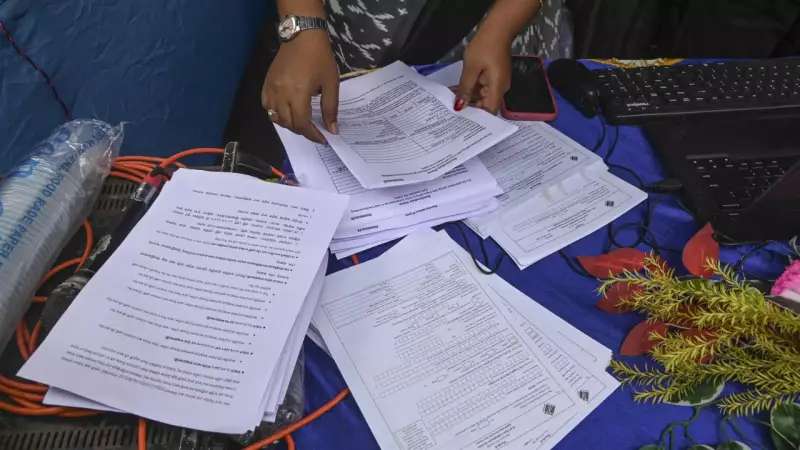
The Election Commission of India has taken a significant step towards cleaning up electoral rolls in two major states. On Tuesday, it released draft voter lists for Madhya Pradesh and Kerala as part of a Special Intensive Revision (SIR) exercise. The preliminary data reveals a massive removal of names, highlighting efforts to eliminate duplicate, deceased, and ineligible voters from the system.
Massive Deletions in Madhya Pradesh
In Madhya Pradesh, the draft rolls show a staggering removal of 42,74,160 names. The state's total voter count, as of December 23, 2025, now stands at 5,31,31,983. This is a sharp decline from the 5,74,06,143 voters recorded on October 27. Joint Chief Electoral Officer Ram Pratap Singh Jadon provided a detailed breakdown of the deletions.
The reasons for removal are varied and substantial. More than 8.46 lakh deceased voters have been struck off the list. Additionally, over 8.42 lakh electors were marked as untraceable during verification drives. A major chunk, nearly 22.78 lakh people, were removed because they had permanently shifted their residence from the enrolled address.

The cleanup also targeted systemic errors. Officials identified and removed 2.76 lakh duplicate entries and around 29,900 names listed under miscellaneous categories. A unique challenge emerged with approximately 8.65 lakh unmapped voters. These individuals are on the rolls but their data is missing from the foundational 2003 records. These voters will receive notices and must present valid documents before Electoral Registration Officers to retain their enrollment.
Kerala's Voter List Overhaul
Kerala witnessed a similar large-scale revision. The draft list published by the state’s Chief Electoral Officer, Rathan U Kelkar, shows the removal of over 24 lakh voter names. The state's draft electoral roll now includes 2,54,42,352 voters, down from the pre-revision total of 2,78,50,855.
The categories of deletion in Kerala mirror those of Madhya Pradesh but on a different scale. The list removed more than 6.49 lakh deceased voters and 6.45 lakh untraceable electors. Furthermore, over 8.16 lakh voters were found to have permanently shifted from their registered locations. The state also weeded out 1.36 lakh duplicate entries and 1.60 lakh names placed under other categories.
Chief Electoral Officer Kelkar announced that objections to this draft list can be filed until January 22. The final electoral rolls for Kerala will be published on February 21. He emphasized that booth-level officers made three separate visits to households before declaring a voter untraceable. Individuals whose names do not appear in the draft must apply afresh for inclusion.
Process and Nationwide Implications
Kerala also undertook an extensive voter-mapping exercise as part of the SIR. By December 18, about 93 percent of this mapping was completed. Districts like Thiruvananthapuram, Kottayam, and Ernakulam reported the highest number of unmapped cases. Hearings for these unmapped voters will be conducted after booth-level officers issue notices specifying the reasons and required documents.
This Special Intensive Revision is a nationwide exercise. The first phase was successfully carried out in Bihar in September, ahead of its assembly elections. The ongoing revision will also cover several other states and union territories, including:
- Andaman and Nicobar Islands
- Chhattisgarh
- Goa
- Gujarat
- Lakshadweep
- Puducherry
- Rajasthan
- Tamil Nadu
- Uttar Pradesh
- West Bengal
The publication of these draft lists marks a critical phase in the Election Commission's mission to ensure accurate and fraud-free electoral rolls. It empowers citizens to verify their details and participate in the democratic process by raising objections or applying for corrections before the final lists are sealed.






