

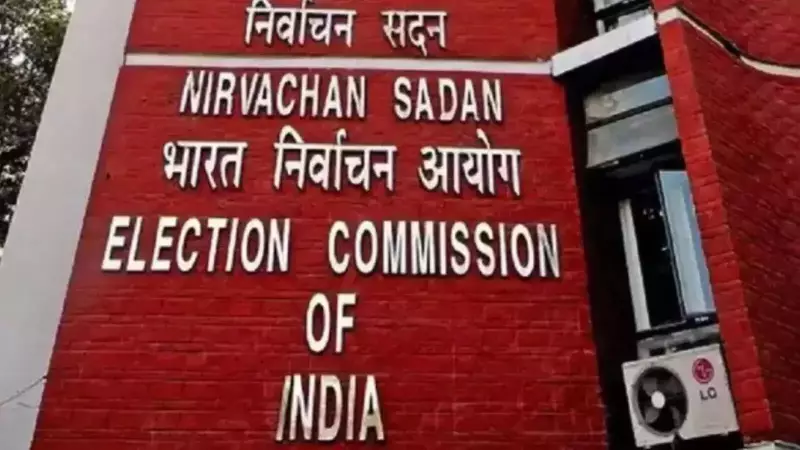
The Election Commission of India has issued a stern warning to its ground-level officials in West Bengal, stating that strict action will be taken against any Booth Level Officer (BLO) or their supervisor who summons voters aged 85 years or above, or those who are sick or disabled, for official hearings.
Directive to Protect Vulnerable Voters
This move comes after repeated reports highlighted the distress faced by elderly and ailing citizens forced to stand in long queues for electoral procedures. On December 29, the office of West Bengal's Chief Electoral Officer (CEO) had already issued a clear instruction to all District Electoral Officers (DEOs) and District Magistrates (DMs). The order stated that these specific categories of electors should not be called for hearings if they make a request.
The directive was precise: if any notice had already been issued to such individuals, they must be contacted by phone and told not to attend. The verification process, instead, was to be carried out at their residences for their convenience and safety.

Violations Prompt Stern Warning
Despite this clear order, the CEO's office continued to receive several reports from across the state where not only the elderly, sick, and disabled but also pregnant women were being asked to appear personally for Summary Revision of Electoral Roll (SIR)-related hearings.
A senior EC official, expressing strong disapproval, stated that such incidents tarnish the commission's public image. "We told DEOs that if a single incident happens in violation of instruction, BLOs will face action," the official said. The official also questioned the role of BLO supervisors in allowing these lapses to occur.
New Protocol for Door-to-Door Verification
To rectify the situation and ensure compliance, the Election Commission has now mandated a new protocol. BLOs have been instructed to proactively make door-to-door visits to identify and note such vulnerable electors within their jurisdictions.
The hearings for these identified individuals will no longer be conducted at common venues. Instead, in the last week of the hearing process, officials will visit the homes of these voters to complete the necessary formalities. This measure is designed to eliminate any physical hardship for those who cannot easily travel or stand for long periods.
The official emphasized the need for sensitivity, questioning why anyone with a broken leg or a serious illness should be compelled to visit a hearing venue. The renewed instructions aim to uphold the EC's commitment to inclusive and voter-friendly electoral practices.






