

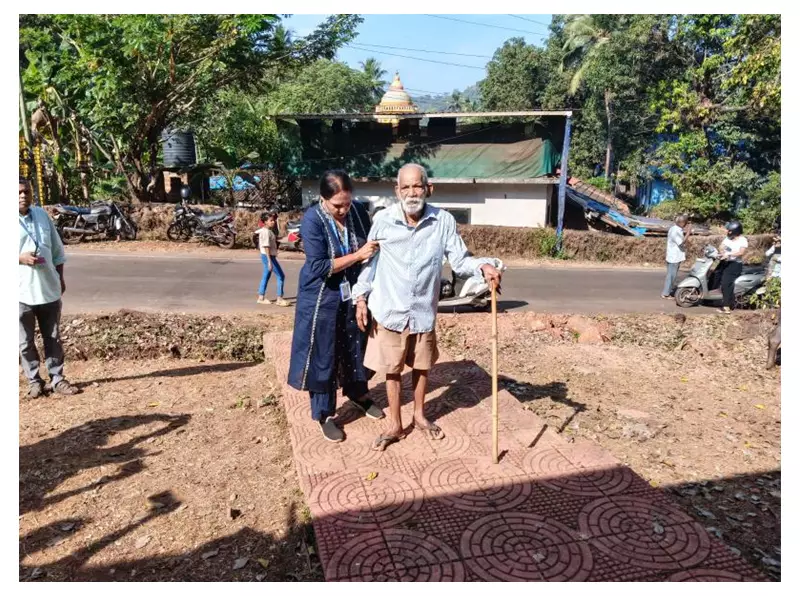
In a stark revelation that underscores a critical gap in India's electoral process, hundreds of senior and ailing citizens in Goa were effectively disenfranchised during the recent zilla panchayat elections. The issue has sparked a strong demand for legal amendments to make home voting a universal facility for all elections.
Congress Leader Highlights Systemic Failure
William Aguiar, the president of the Ponda Congress block, brought the distressing situation to light. He detailed how, despite the dedicated efforts of social workers, numerous electors with severe health and mobility issues could not exercise their fundamental right to vote. The primary obstacle was their physical inability to travel to designated polling stations.
Aguiar expressed particular frustration over the disparity in voting accessibility. He pointed out that while younger voters can navigate the logistics of reaching a polling booth, the same is often an insurmountable challenge for the elderly and those with significant disabilities. This, he argued, creates an unequal playing field in a democracy.

The Scale of Disenfranchisement in South Goa
The problem is not isolated. According to Aguiar's assessment, over 800 electors in the South Goa district alone were impacted during the local body elections. These individuals, who are eager to participate in the democratic process, found themselves sidelined due to infrastructure that does not account for their physical constraints.
This incident highlights a persistent issue that goes beyond a single election or region. It questions the inclusivity of the current system when it comes to voters who are homebound or hospitalized.
A Contrast: Success of Home Voting in Parliamentary Polls
Ironically, the solution Aguiar advocates for already exists in a limited form. During the 2024 parliamentary elections, the Election Commission's home voting facility proved to be a significant success. It enabled 2,263 electors aged 85 and above in Goa to cast their votes from their residences.
This successful model, however, is not uniformly applied across all tiers of elections. The zilla panchayat and other local elections often lack this provision, leaving a vulnerable section of the electorate behind every time these polls are held.
Aguiar's core demand is for the government to amend existing electoral laws. He urges policymakers to institutionalize and expand the home voting facility, making it accessible for every election—be it parliamentary, assembly, or local body polls. This, he believes, is essential to uphold the true spirit of universal adult suffrage and ensure no citizen is left out due to health reasons.
The call for reform is clear: to build a more inclusive democracy, the system must proactively reach out to those who cannot reach it.






