The Election Commission of India (ECI) has published a draft electoral roll for Gujarat following a comprehensive Special Intensive Revision (SIR), revealing a significant reduction in the total number of registered voters. The new draft list shows a substantial cleanup of the voter database in the state.
Major Decline in Voter Count
According to the draft data released on 19 December 2025, Gujarat now has 4.34 crore voters deemed valid. This figure marks a sharp decline from the approximately 5.08 crore voters registered in the state's electoral rolls prior to the revision process. The difference indicates that a staggering 73.73 lakh (7.373 million) names have been deleted from the list.
The exercise, known as the Special Intensive Revision, is a meticulous drive undertaken by the election authorities to purify the electoral rolls. It involves door-to-door verification and the removal of duplicate, deceased, or permanently shifted voters to ensure the integrity of the voter list.
The Purpose of the Special Intensive Revision
The SIR is a critical process conducted periodically to maintain an accurate and updated voter registry. Officials from the Election Commission explained that the drastic reduction in numbers is a direct result of this intensive cleaning operation. The removal of over 73 lakh entries underscores the scale of discrepancies that had accumulated in the previous electoral roll.
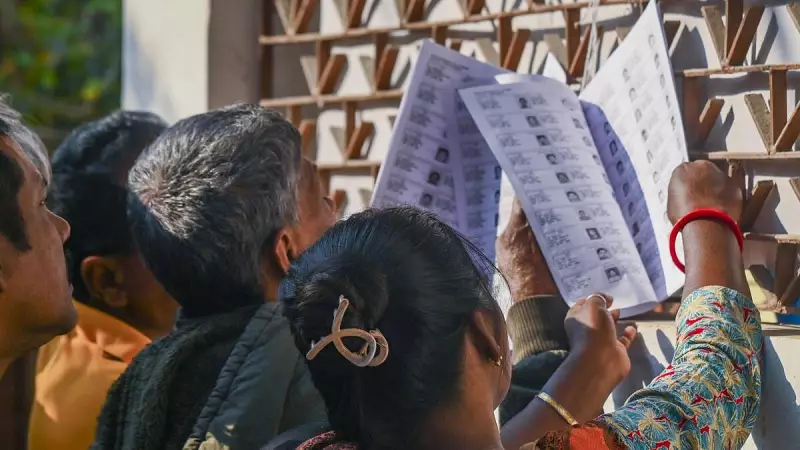
This draft roll is now open for public scrutiny. Citizens have a designated period to check their names, raise objections, or make claims for inclusions if they find any errors or omissions. The final electoral roll will be published after considering all such claims and objections.
Implications for Future Elections
The publication of a revised and more accurate draft roll is a foundational step for the democratic process in Gujarat. A clean voter list is essential for conducting free and fair elections, as it helps prevent electoral malpractices and ensures that voting rights are correctly allocated.
The significant downward revision highlights the Election Commission's ongoing efforts to enhance the credibility of India's electoral system. Political parties and analysts will now study the new demographic data within this draft roll closely, as it will form the basis for electoral strategy in the state's upcoming polls.
The final electoral roll, which will be certified after the revision process is complete, will be the official document used for all future elections in Gujarat until the next summary revision is undertaken.