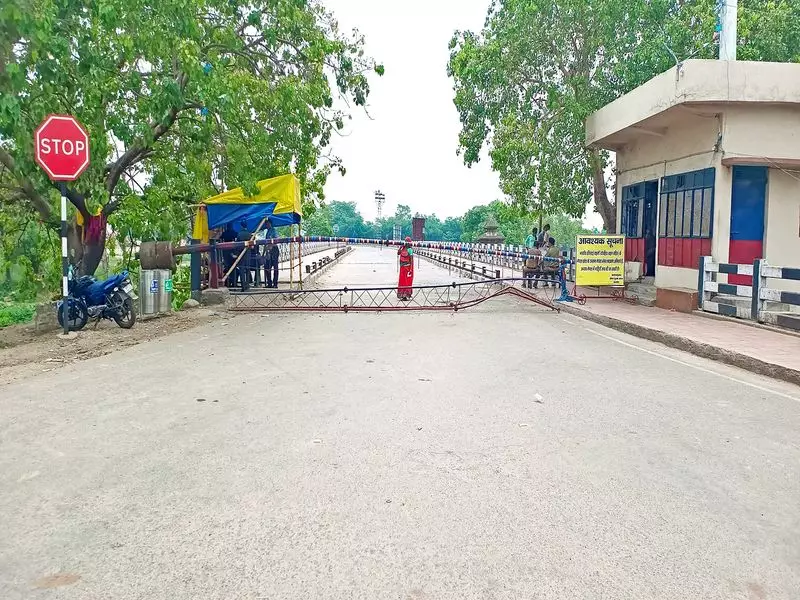
In a significant security move ahead of the Bihar assembly elections, Indian authorities have temporarily closed the crucial India-Nepal border crossing at Birgunj-Raxaul. The strategic decision aims to ensure peaceful polling during the three-phase elections in Bihar.
Border Closure Details and Timeline
The border closure came into effect on Tuesday and will remain enforced until October 28, 2020. This timeframe covers the entire polling period for the Bihar assembly elections, which are scheduled to be conducted in three phases. The decision particularly affects the Birgunj-Raxaul border point, one of the most important and busiest transit routes between India and Nepal.
According to official sources, the movement of both people and vehicles has been completely suspended across this border crossing. This comprehensive restriction applies to all types of traffic, ensuring no unauthorized movement occurs during this critical electoral period.

Security Measures and Election Preparations
The border shutdown forms part of the elaborate security arrangements made by the Indian government for the Bihar elections. Security agencies recommended the closure to prevent any potential cross-border movement that could disrupt the electoral process or influence voting patterns.
Election Commission officials emphasized that such measures are standard protocol during major elections in border states. The Bihar assembly elections are particularly significant as they represent one of the first major electoral exercises conducted during the COVID-19 pandemic.
The three-phase polling schedule for Bihar includes voting on October 28, November 3, and November 7, with vote counting scheduled for November 10. The border closure will remain effective through the first phase of voting and might see extensions or modifications based on security assessments for subsequent phases.
Impact on Cross-Border Activities
The Birgunj-Raxaul border point serves as a vital economic and social corridor between India and Nepal. Regular movement includes daily commuters, traders, tourists, and families with cross-border connections. The temporary closure has inevitably disrupted these activities, though authorities consider it a necessary sacrifice for election security.
Local businesses relying on cross-border trade have expressed understanding while hoping for minimal disruption to their operations. Security forces have been deployed in increased numbers along the border to enforce the closure and monitor any attempted unauthorized crossings.
This isn't the first time such measures have been implemented during elections in border states. Similar security protocols have been observed during previous state and national elections, reflecting the importance of securing international borders during democratic exercises.
The closure demonstrates the comprehensive approach taken by Indian authorities to ensure free, fair, and peaceful elections in Bihar, while maintaining national security interests along sensitive border regions.