In a significant political development ahead of Bangladesh's upcoming national elections, the Jamaat-e-Islami Bangladesh has entered into a crucial seat-sharing agreement with the student-led Nationalist Congress Party (NCP). This alliance marks a strategic consolidation within the opposition camp, aiming to present a united front against the ruling Awami League.
The Details of the Electoral Pact
The agreement, finalized recently, will see the Jamaat-e-Islami contesting 25 parliamentary seats under the electoral symbol of the NCP. This move is particularly notable as Jamaat-e-Islami, a key ally of the principal opposition Bangladesh Nationalist Party (BNP), remains deregistered and is barred from participating in the elections directly. The NCP, founded by former student leaders, provides a legitimate platform for Jamaat's candidates.
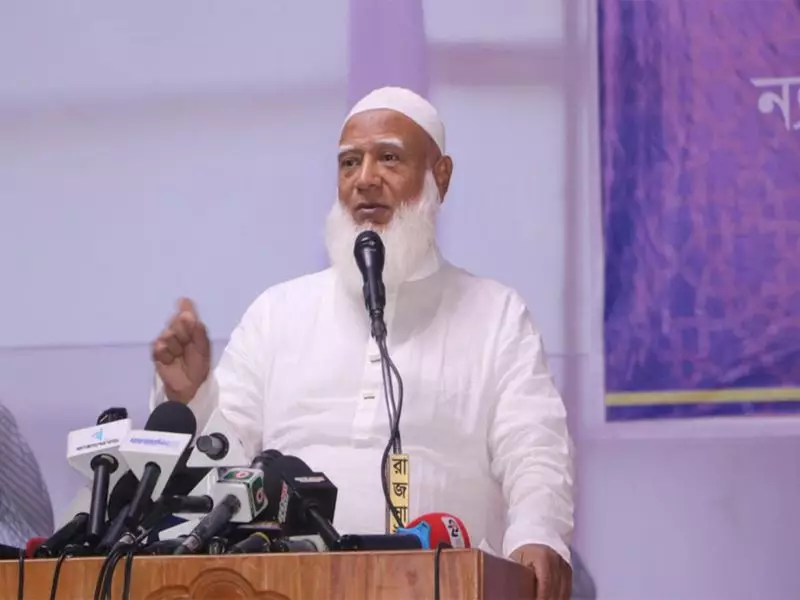
According to sources, the Jamaat-e-Islami's delegation was led by its acting chief, Mojibur Rahman, while the NCP was represented by its president, Sheikh Shahidul Islam. The pact underscores the complex and often fragmented nature of Bangladesh's opposition politics, where alliances are forged out of necessity to challenge the dominance of Prime Minister Sheikh Hasina's government.
Context and Political Implications
This alliance does not operate in a vacuum. It occurs against the backdrop of the BNP's continued demand for a neutral caretaker government to oversee the polls—a demand rejected by the Awami League. The BNP itself has been facing significant pressure, with many of its leaders, including Secretary General Mirza Fakhrul Islam Alamgir, detained. While the BNP and Jamaat have a long history of alliance, the current dynamics have forced Jamaat to seek alternative routes to the ballot.
The NCP, though a smaller entity, gains considerable clout by aligning with Jamaat's organized grassroots support. However, this partnership is also likely to draw intense scrutiny. The Jamaat-e-Islami's controversial history and its stance during Bangladesh's 1971 Liberation War make it a polarizing force. The ruling party is expected to leverage this alliance to galvanize its own support base, framing the opposition as being in league with anti-liberation elements.
Broader Electoral Landscape and Future Scenarios
This pact is a clear indicator of the opposition's attempts to navigate a constrained political space. With the BNP yet to finalize its participation strategy, the Jamaat-NCP deal could influence other smaller parties to form similar tactical coalitions. The central question remains whether these fragmented alliances can coalesce into a formidable challenge to the Awami League's well-oiled electoral machinery.
Furthermore, the international community will be closely watching these developments. The credibility and inclusivity of the upcoming elections are already under the global microscope. Alliances like these, while pragmatic for the parties involved, add another layer of complexity to Bangladesh's fraught democratic process.
In conclusion, the seat-sharing agreement between Jamaat-e-Islami and the Nationalist Congress Party is a pivotal pre-election maneuver. It highlights the opposition's struggle for relevance and the intricate web of alliances shaping Bangladesh's political battlefield. The effectiveness of this pact will ultimately be tested at the hustings, where voter sentiment and the government's response will determine its real impact.