In the heart of West Bengal's Matua community, a deep-seated anxiety about citizenship and voting rights is driving thousands towards the Citizenship Amendment Act (CAA). The ongoing Special Intensive Revision (SIR) of electoral rolls has sparked fears of disenfranchisement, placing the politically pivotal group at the centre of a fresh political storm ahead of state elections.
A Community on Edge: Voter List Revisions and CAA Camps
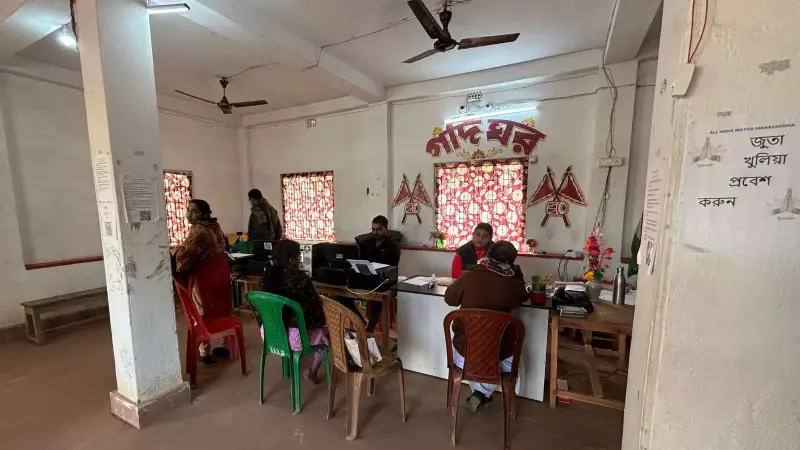
The uncertainty is palpable at the Matua headquarters in Thakurnagar, North 24 Parganas district. Here, 75-year-old Motilal Haldar, who crossed over from Bangladesh in 1997, holds his documents and asks volunteers how long the CAA citizenship process will take. His name is absent from the 2002 electoral rolls, making him deeply worried about the current SIR exercise. He is among thousands in the Matua heartland, a region about 90 km from Kolkata, spending their days in limbo.
This disquiet intensified after the draft electoral rolls, published in December 2025, struck off a staggering 58 lakh names statewide. The deletions included constituencies like Kasba, Sonarpur Dakshin, and Bongaon Uttar, which have sizable Matua populations. In response, both the ruling Trinamool Congress (TMC) and the opposition Bharatiya Janata Party (BJP) have set up help camps. The All India Matua Mahasangha, running a centre at Thakurbari, claims to have filed over 2,000 CAA applications in just four months.

"Will I be pushed out if I get my name deleted from the voter list?" asks Haldar, echoing the community's central fear. He has applied under CAA and submitted SIR forms, but his only proof of residence is a 2014 land purchase document.
Political Firestorm: Thakur's Remarks and Clashing Narratives
The tension took a sharp political turn with comments from Union Minister and Bongaon MP Shantanu Thakur, a key Matua leader. On Monday, December 23, 2025, he posed a controversial question: "If excluding 50 lakh Pakistani, Bangladeshi Muslims and Rohingyas means that 1 lakh people from my community are temporarily deprived of voting rights, which option is more beneficial?"
He later reiterated that many Matua names would be deleted during SIR, hence the push for CAA applications. These remarks fueled a clash between BJP and TMC workers in Thakurnagar on Wednesday, December 25. The TMC's Rajya Sabha MP Mamata Bala Thakur, Shantanu's aunt, alleged her party's supporters were beaten, while the BJP leader accused her of sending goons to assault him.
The narratives from the two parties are starkly opposed. The TMC and Chief Minister Mamata Banerjee allege the SIR is a "backdoor entry" for the National Register of Citizens (NRC), threatening Matua citizenship. The BJP counters by accusing the TMC of spreading misinformation and asserts that the CAA is the definitive safeguard for the community.
Electoral Stakes and Muslim Community Concerns
The Matuas, the largest segment of the state's Namashudra Scheduled Castes, are an electoral powerhouse. They form an estimated 17-20% of West Bengal's electorate, influencing 30 to 45 assembly seats. Their support was crucial to the BJP winning 18 Lok Sabha seats in the state in 2019. The party's current outreach aims to allay SIR fears and build a pan-Hindu coalition with Matuas at its core.
Meanwhile, the Muslim community in border districts like North 24 Parganas is also apprehensive. The Election Commission's focus on "logical discrepancies" in enumeration forms has led to summons fears. Residents like 56-year-old Ansar Ali Mollah worry about name mismatches, while others, like teacher Jahangir Hossain, cite the scrutiny of families with more than six children as a source of harassment, despite having documents.
Some Muslims in the area question the SIR's purpose, noting that known recent migrants from Bangladesh have their names on the draft list, while long-term residents with land documents face hearings. As both communities navigate this high-stakes revision, their anxieties are set to shape the political landscape of West Bengal in the coming year.