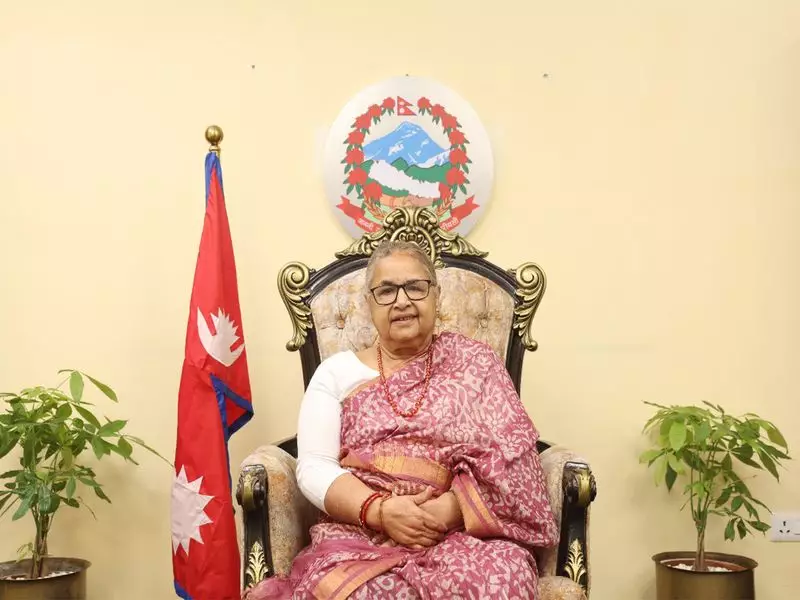
Nepal's interim Prime Minister, Khadga Prasad Sharma Oli, has issued a crucial appeal to the nation's major political factions. He is urging them to collaborate and ensure the upcoming elections, scheduled for March 2024, are conducted smoothly and successfully. This call for unity comes at a pivotal moment for the Himalayan nation's political stability.
A Direct Appeal for Political Cooperation
During a significant meeting held in Kathmandu, Prime Minister Oli engaged directly with leaders from Nepal's prominent political parties. The discussions were centered on the critical need for a cooperative environment to facilitate the electoral process. The interim leader emphasized that the success of the March polls is a shared responsibility of all political stakeholders. He stressed that a successful election is fundamental for strengthening the democratic framework and ensuring effective governance in Nepal.
The Context of Caretaker Governance
KP Sharma Oli currently leads a caretaker government following the dissolution of the previous House of Representatives. His administration's primary mandate is to oversee a free and fair electoral process leading to the formation of a new, stable government. The appeal to major parties underscores the challenges of organizing elections under an interim setup, where cross-party support becomes indispensable. The political landscape in Nepal has often been marked by fragmentation, making this call for consensus particularly significant for the nation's immediate future.

Implications for Nepal's Democratic Future
The response from Nepal's political parties to PM Oli's appeal will be closely watched. A collaborative approach could lead to:
- Enhanced public trust in the electoral system.
- A reduction in political tensions and potential conflicts during the campaigning period.
- The establishment of a legitimate and widely accepted government post-March 2024.
As the election date draws nearer, the focus will remain on whether Nepal's diverse political groups can prioritize national interest over partisan politics. The success of these polls is not just about forming a new government but about reinforcing the democratic institutions that are vital for Nepal's progress and stability.