The Election Commission of India has made a significant revelation regarding the recently concluded Bihar assembly elections, confirming that no defeated candidates have come forward to request verification of Electronic Voting Machines (EVMs). This development underscores the acceptance of electoral outcomes and the credibility of the voting process in the state.
Complete Absence of EVM Verification Requests
According to official statements from the Election Commission, not a single candidate who lost in the Bihar assembly polls has submitted any formal request for EVM checking or verification. This information comes as a testament to the smooth conduct of elections and the trust political parties place in the electoral machinery.
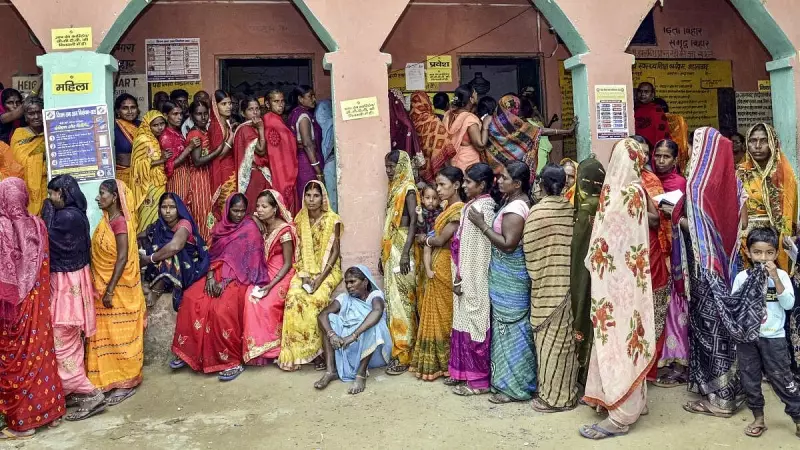
The Bihar assembly elections, which concluded recently, witnessed intense political competition across various constituencies. Despite the high-stakes nature of these polls and the narrow margins in some seats, the acceptance of results by all participating candidates has been noteworthy. The absence of EVM verification requests particularly stands out given the historical context where such demands have been common following closely contested elections.
Election Commission's Transparent Process
The Election Commission maintains a well-defined protocol for EVM verification that allows any candidate dissatisfied with election results to seek clarification and verification. The process includes detailed checking of EVM components and can be initiated through proper channels within a specified timeframe after result declaration.
An Election Commission official emphasized that the window for submitting such requests has now closed without any candidate availing themselves of this opportunity. This indicates widespread satisfaction with the electoral process and the functioning of EVMs during the Bihar polls.
The commission has repeatedly assured all political parties and candidates about the robustness of EVM technology and the multiple layers of security protocols in place. These include first-level checks, randomization processes, and comprehensive testing before deployment to polling stations.
Broader Implications for Electoral Democracy
This development carries significant implications for India's electoral democracy. The complete absence of EVM verification requests from defeated candidates in Bihar suggests growing confidence in electronic voting systems and the Election Commission's procedures.
The peaceful acceptance of election results strengthens democratic traditions and demonstrates political maturity among participating parties and candidates. It also reinforces the credibility of the Election Commission as an impartial institution capable of conducting free and fair elections.
Political analysts note that this trend marks a departure from previous election cycles where EVM verification requests were more common. The changing attitude could be attributed to improved understanding of EVM technology and enhanced transparency measures implemented by the Election Commission.
As India continues to rely on electronic voting systems for its massive electoral exercises, such endorsements through non-contestation become crucial for maintaining public trust in democratic processes. The Bihar example sets a positive precedent for future elections across the country.