

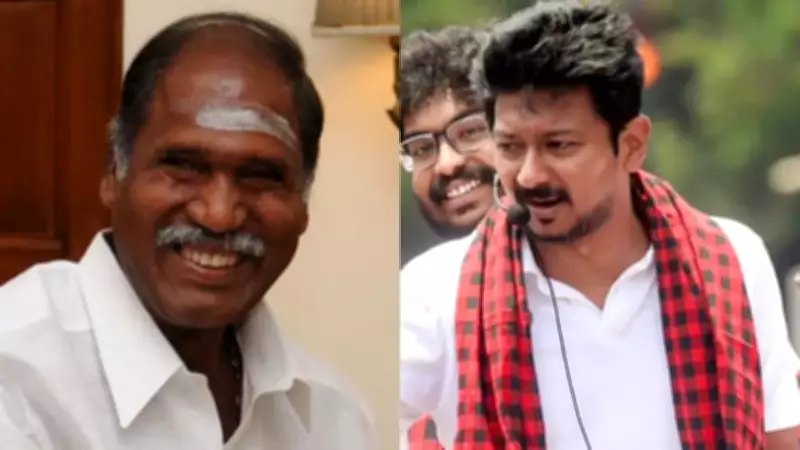
Puducherry Assembly Elections: A High-Stakes Democratic Exercise
On April 9, a significant electoral event will unfold in the union territory of Puducherry, as approximately 9.5 lakh voters are set to cast their ballots to determine the fate of 294 candidates. This assembly election covers all 30 constituencies, including the regions of Karaikal, Mahe, and Yanam, marking a crucial moment for local governance and political dynamics.
Electoral Preparedness and Key Alliances
Chief Electoral Officer P Jawahar has confirmed that all necessary arrangements have been meticulously planned to ensure a smooth and fair polling process. The electoral landscape is characterized by intense competition among major alliances and newly formed parties. The ruling National Democratic Alliance (NDA), which includes the AINRC, BJP, AIADMK, and LJK, is campaigning vigorously to retain its 'double engine' governance model, emphasizing continuity and development.
In opposition, the INDIA bloc, led by the Congress, DMK, and VCK, is striving to regain power by highlighting critical issues such as local autonomy and administrative challenges. Adding a fresh dimension to the contest is actor Vijay's newly established Tamilaga Vettri Kazhagam (TVK) party, which has fielded candidates across the union territory and is emerging as a notable third force. Smaller parties like the CPI, CPM, and Naam Tamizhar Katchi are also participating, contributing to a diverse and competitive electoral field.

Notable Candidates and Constituency Highlights
Among the prominent figures in this election is AINRC leader and current Chief Minister N Rangasamy, who is contesting from both the Thattanchavady and Mangalam constituencies, reflecting the high stakes for the ruling alliance. The electoral battle spans various key seats, with candidates from major parties vying for voter support. For instance, in Mannadipet, the BJP's A Namassivayam faces off against the Congress's DPR Selvam and TVK's K Bharathidasan, showcasing the multi-cornered contests prevalent across the territory.
Other significant constituencies include Thirubhuvanai (SC), where AINRC's B Gopika competes against DMK's P Angalan and TVK's Sai J Sarvanakumar, and Ossudu (SC), featuring BJP's E Theeppainthan, Congress's P Karthikeyan, and TVK's S Saraganabava. The diversity of candidates underscores the vibrant democratic process in Puducherry, with each party presenting its vision for the future.
Special Polling Arrangements and Voter Assistance
To facilitate a inclusive and accessible voting experience, the election authorities have implemented several special measures. Out of the 1,099 polling stations established, 209 have been identified as vulnerable and are under enhanced security surveillance. Unique initiatives include 30 booths managed exclusively by women staff, 15 operated by young officers, and two run by persons with disabilities, promoting gender equality and youth participation in the electoral process.
Additionally, senior citizens and differently-abled voters will receive dedicated assistance from volunteers at polling stations, with wheelchairs made available to ensure no voter is left behind. These efforts aim to boost voter turnout and uphold the integrity of the democratic exercise, reflecting a commitment to fair and transparent elections.
Broader Implications and Future Outlook
The outcome of this election will not only shape the political landscape of Puducherry but also have implications for regional autonomy and governance models. With issues like administrative efficiency and local empowerment at the forefront, voters' choices will influence policy directions and development trajectories in the coming years. As polling day approaches, all eyes are on this union territory, where a robust democratic process is set to unfold, driven by active citizen participation and competitive politics.






