

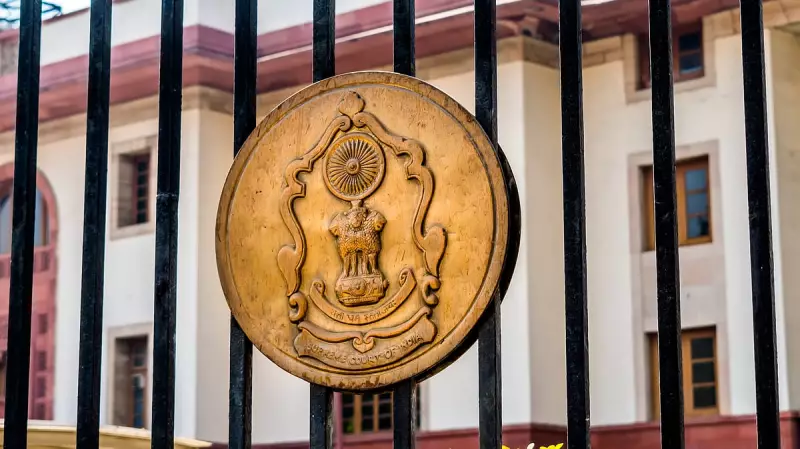
The Supreme Court of India has taken a significant step in a case concerning electoral procedures, directing the Election Commission of India (EC) to respond to petitions filed by Trinamool Congress (TMC) Members of Parliament. The MPs have raised serious allegations of procedural irregularities in the Special Intensive Revision (SIR) of electoral rolls in West Bengal.
Core Allegations Presented in Court
Appearing before the apex court on behalf of TMC MP Derek O'Brien, senior advocate Kapil Sibal presented a compelling argument. He contended that the Election Commission's instructions regarding the SIR drive were being disseminated informally through social media platforms, notably WhatsApp. This method of communication, Sibal argued, led to booth-level officers (BLOs) taking action without any formal, lawful authorisation or written orders.
The crux of the petitioners' case is that such a practice bypasses official channels and lacks transparency, potentially compromising the integrity of the electoral roll revision process. The plea emphasises that all official directives, especially those with significant legal implications, must follow proper protocol and be issued through authorised means.

Judicial Intervention and Next Steps
The Supreme Court bench, after hearing the initial arguments, has formally sought a response from the Election Commission. This judicial notice underscores the gravity of the allegations and ensures that the constitutional body will have to provide its official stance on the record. The case, filed and heard on 12 January 2026, marks a crucial development in the ongoing discussions about election administration and the use of technology in governance.
The court's intervention highlights the importance of due process and lawful authority in the conduct of elections, which form the bedrock of Indian democracy. The EC's forthcoming response is now highly anticipated, as it will clarify the procedures adopted for the SIR and address the concerns about the use of informal messaging platforms for official instructions.
Broader Implications for Electoral Integrity
This legal challenge brings to the forefront the evolving challenges in election management. While technology offers efficiency, this case questions the balance between swift communication and maintaining a verifiable, official chain of command. The outcome could set a precedent for how election authorities across India issue instructions to ground-level staff in the future.
The allegations, if proven, point to a significant deviation from established norms. The Supreme Court's decision to examine the matter ensures judicial oversight over electoral processes, reinforcing accountability. All eyes will now be on the Election Commission's detailed affidavit, which is expected to explain the mechanisms used for the Special Intensive Revision and justify the methods of communication with its officers on the ground.






