

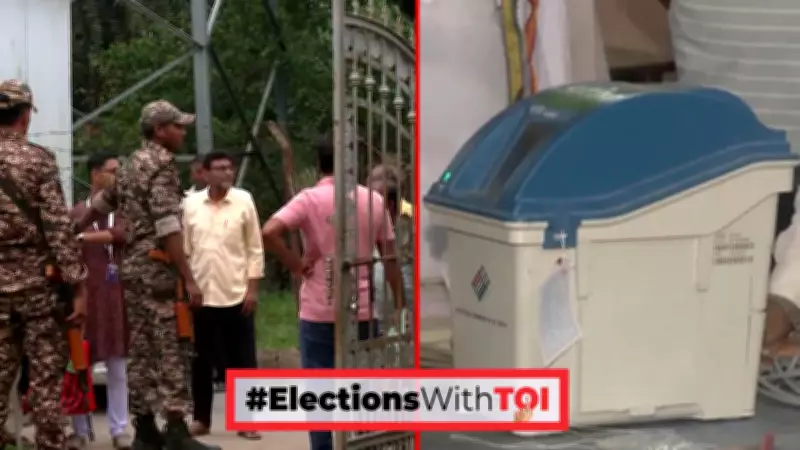
West Bengal Elections Disrupted by EVM Glitches, Voting Suspended at Multiple Booths
The 2026 West Bengal elections encountered significant technical hurdles as Electronic Voting Machine (EVM) malfunctions disrupted polling across several districts. These glitches led to delays and temporary suspensions of voting, raising questions about the technical preparedness during crucial electoral processes.
Widespread Disruptions Across Key Districts
Incidents of EVM failures were reported from multiple districts, including Murshidabad, Purba Medinipur, Cooch Behar, Malda, and Darjeeling. The malfunctions impacted the initial voting process in these areas, causing confusion and inconvenience among voters who had arrived early to cast their ballots.
While election officials managed to restore polling in some locations after addressing the technical issues, the disruptions had already affected the smooth conduct of the electoral exercise. The situation drew immediate attention from political parties and election observers, who expressed concerns over the reliability of voting equipment during such a high-stakes election.

Technical Challenges and Election Preparedness
The EVM snags highlighted ongoing challenges in ensuring flawless technical operations during elections. Despite standard protocols for testing and maintenance, these unexpected malfunctions occurred, prompting officials to implement contingency measures to minimize voter disenfranchisement.
Authorities worked diligently to troubleshoot the problems, but the delays underscored the critical need for robust backup systems and more rigorous pre-poll testing of electronic voting infrastructure. The incidents have sparked discussions about potential improvements to election technology and procedures to prevent similar issues in future polls.
Impact on Electoral Process and Voter Confidence
The temporary halting of voting at several booths not only disrupted the election schedule but also potentially affected voter turnout and confidence. Such technical failures can create perceptions of inefficiency or unfairness, which election authorities strive to avoid in maintaining the integrity of democratic processes.
As polling eventually resumed in most affected areas, the focus shifted to ensuring that all eligible voters had adequate opportunity to participate despite the earlier setbacks. The Election Commission of India will likely review these incidents as part of their post-election assessment to strengthen technical systems for subsequent electoral exercises.






