

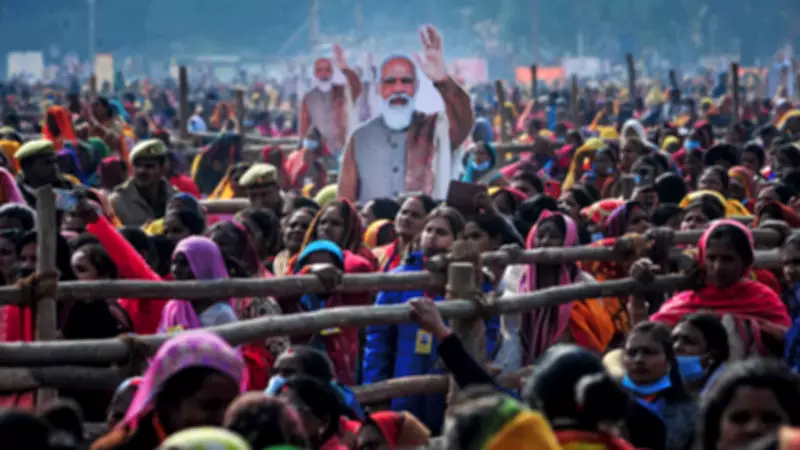
Women Voters Take Center Stage in Key State Elections
As voting commences in Tamil Nadu, Kerala, Assam, West Bengal, and Puducherry, a significant transformation is reshaping the electoral landscape. Women voters are now at the heart of how elections are contested and secured, marking a pivotal shift in political dynamics across these regions.
Rising Influence of Female Voters
This trend was clearly visible during the 2024 Lok Sabha election, where female voter turnout slightly exceeded that of men. According to official data from the Election Commission, women participated at a rate of 65.8%, compared to 65.6% for men. This marginal yet meaningful difference underscores the growing importance of women in determining electoral outcomes.
The increasing engagement of women voters is not just a statistical anomaly but a reflection of broader societal changes. Political parties are now tailoring their campaigns to address issues that resonate with female electorates, such as healthcare, education, and economic empowerment. This strategic focus highlights how women are no longer peripheral but central to electioneering efforts.

Impact on Electoral Strategies
In key states like West Bengal and Tamil Nadu, where political battles are often intense, the role of women voters has become a critical factor. Parties are deploying targeted outreach programs, including rallies, door-to-door campaigns, and digital initiatives, to connect with female constituents. This approach aims to harness the voting power of women, who are increasingly making informed choices based on governance and policy performance.
Moreover, the higher turnout among women suggests a growing awareness and participation in the democratic process. This shift is expected to influence not only the results of current elections but also future political agendas, as parties strive to align with the priorities of this influential demographic.
Looking Ahead
As elections progress in these states, the focus on women voters is likely to intensify. Analysts predict that this trend could redefine political alliances and campaign strategies, making gender inclusivity a key component of electoral success. The data from 2024 serves as a benchmark, indicating that women are not just voting in larger numbers but are also becoming decisive in shaping political narratives.
In conclusion, the emergence of women as a central force in elections marks a transformative phase in Indian politics. With their turnout surpassing men and their issues gaining prominence, women voters are poised to play an even more critical role in the democratic process, influencing outcomes in key states and beyond.






