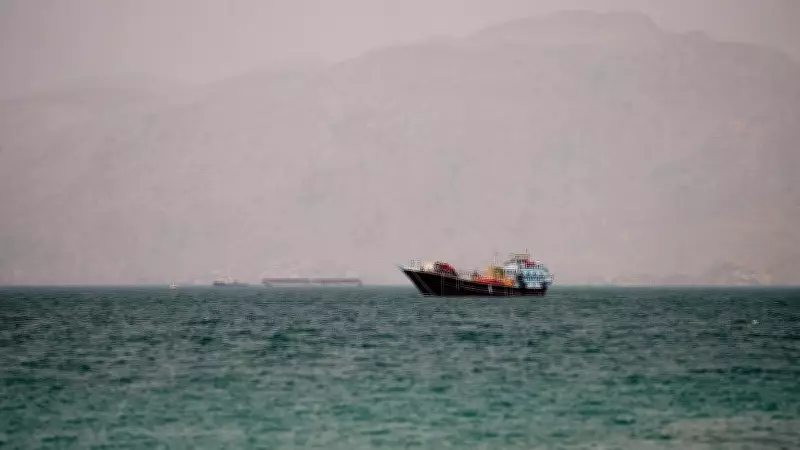
The Indian government announced on July 5, 2026, that 15 vessels transporting critical fertilizers—urea, diammonium phosphate (DAP), and sulphur—have successfully navigated the Strait of Hormuz without incident. The ships are proceeding on schedule to Indian ports, ensuring vital supplies for the agricultural sector.
Details of the Shipments
According to an official statement, the fleet comprises eight vessels carrying 3.32 lakh tonnes of urea, four vessels transporting 2.57 lakh tonnes of DAP, and three vessels loaded with 1.11 lakh tonnes of sulphur. All shipments are part of India's strategy to secure fertilizer availability ahead of the kharif sowing season.
Strategic Importance of the Strait
The Strait of Hormuz, a narrow waterway between the Persian Gulf and the Gulf of Oman, is a critical chokepoint for global energy and commodity trade. Approximately 20% of the world's oil and a significant volume of liquefied natural gas pass through it. For India, the strait is a vital route for fertilizer imports, as the country relies heavily on overseas supplies to meet domestic agricultural demand.

Government's Assurance on Supply
The Ministry of Chemicals and Fertilizers confirmed that the vessels crossed the strait safely amid ongoing regional tensions. Officials stated that the government has been closely monitoring maritime routes and coordinating with international partners to ensure uninterrupted supply chains. The timely arrival of these shipments is expected to stabilize fertilizer prices and support farmers during the planting season.
Impact on Agriculture
India is one of the world's largest consumers of fertilizers, with urea and DAP being essential for crop production. The government has set a target to ensure adequate stocks to avoid shortages. The safe passage of these vessels mitigates risks of supply disruptions that could have affected food security. The Ministry emphasized that further shipments are also being tracked to maintain buffer stocks.