

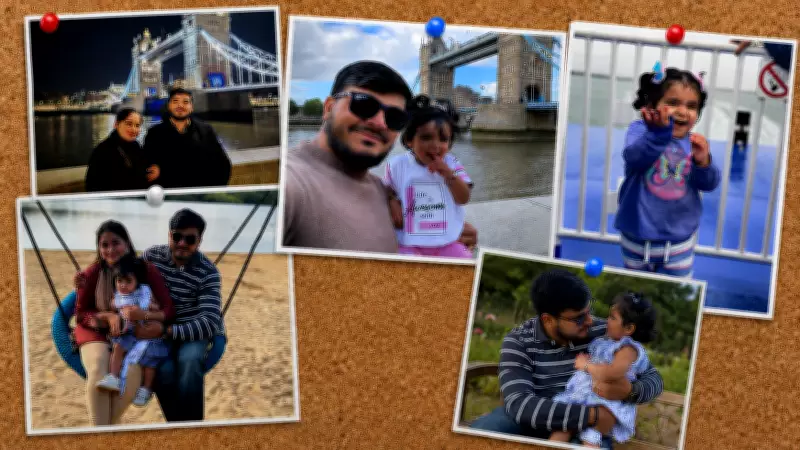
Mohammad Shethwala, a 28-year-old from Vadodara, India, who moved to the United Kingdom to build a life with his young wife, is now fighting to remain in the country where that life was created and where its memories endure. Shethwala lost his wife, Sadikabanu Tapeliwala, 24, and their UK-born two-year-old daughter Fatima in the tragic Air India crash on June 12, 2025. One year after the disaster, he faces the prospect of being forced to leave Britain after the UK Home Office rejected his application to stay on compassionate grounds.
A Life Built and Shattered
Shethwala relocated to the UK to start a new chapter with his wife, Sadikabanu. The couple welcomed their daughter Fatima, who was born in the UK. The family's dreams were abruptly ended when Air India flight 171 crashed, claiming the lives of both his wife and child. The incident left Shethwala devastated and alone in a country that had become his home.
Fighting to Stay
Despite the profound personal tragedy, the UK Home Office has denied Shethwala's request to remain in the country on compassionate grounds. The rejection has left him in a state of uncertainty, as he now faces the possibility of deportation. Shethwala argues that being forced to leave would mean losing the only tangible connection he has left to his wife and daughter—the place where they lived and where their memories are preserved.

Immigration experts suggest that compassionate grounds applications are often difficult to win, requiring exceptional circumstances. While the loss of family members is tragic, the Home Office may have determined that Shethwala's case does not meet the strict criteria for discretionary leave. However, supporters and community members have rallied behind him, urging the authorities to reconsider.
Community Support and Legal Battle
Local community groups and advocates have launched campaigns to support Shethwala's fight. They emphasize that his presence in the UK is not only a matter of personal grief but also a way to honor the memory of his family. Legal representatives are exploring options to appeal the decision or apply for a different visa category. The case has also drawn attention to the broader challenges faced by individuals who lose their family sponsors due to unforeseen tragedies.
As the one-year anniversary of the crash approaches, Shethwala continues to grapple with his loss while navigating the complex immigration system. He hopes that the UK government will recognize the exceptional nature of his circumstances and allow him to stay in the country that holds the last traces of his loved ones.






