Thiruvananthapuram Deploys AI-Powered Robot for Human-Free Canal Cleaning in High-Risk Areas
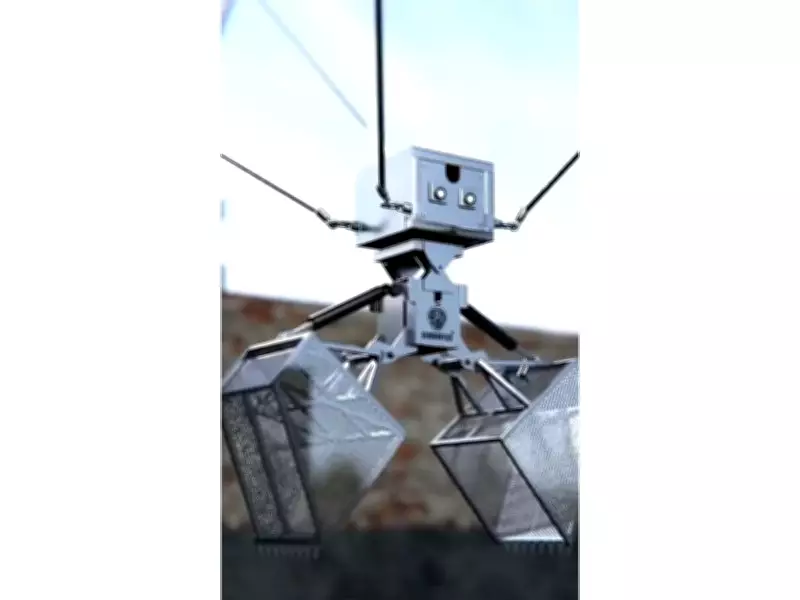
In a significant advancement for urban sanitation, the city of Thiruvananthapuram has introduced an AI-powered robot to clean canals in high-risk areas, operating under the Swachh Bharat Mission Urban 2.0. This innovative deployment aims to eliminate human involvement in dangerous cleaning tasks, thereby enhancing worker safety and improving efficiency in waste management.
Enhancing Safety with AI Technology
The AI-powered robot is specifically designed to navigate and clean canals that pose significant risks to human workers, such as those with toxic waste, deep waters, or unstable structures. By leveraging artificial intelligence, the robot can autonomously identify debris, maneuver through challenging environments, and perform cleaning operations without direct human intervention. This technology not only reduces the exposure of sanitation workers to hazardous conditions but also ensures a more thorough and consistent cleaning process.
Support from Swachh Bharat Mission Urban 2.0
This initiative is part of the broader Swachh Bharat Mission Urban 2.0, a government scheme focused on improving urban cleanliness and waste management across India. The deployment in Thiruvananthapuram highlights the mission's commitment to integrating cutting-edge technologies like AI to address sanitation challenges. By adopting such innovations, the city sets a precedent for other urban areas to follow, potentially scaling up similar solutions nationwide.

Benefits and Future Implications
The use of AI robots for canal cleaning offers multiple benefits:
- Improved Safety: Reduces accidents and health risks for sanitation workers in high-risk zones.
- Increased Efficiency: Enables faster and more effective cleaning, leading to better canal maintenance.
- Cost-Effectiveness: Over time, automation may lower operational costs by minimizing labor-intensive tasks.
- Environmental Impact: Helps in proper waste disposal, contributing to cleaner waterways and reduced pollution.
Looking ahead, this deployment could inspire further innovations in public health and urban governance, aligning with global trends in smart city development. As Thiruvananthapuram pioneers this approach, it underscores the potential for technology to transform traditional sanitation practices under initiatives like Swachh Bharat.