In a significant development for governance and welfare initiatives, Lanka Dinakar, the chairman of the Twenty Point Programme Implementation for the government of Andhra Pradesh, has announced that the state will adapt best practices observed during a recent study tour to Chhattisgarh. This move aims to further strengthen welfare and development programmes across Andhra Pradesh, enhancing their efficiency and reach.
Swarna Andhra Vision 2047 and Viksit Bharat Alignment
Dinakar elaborated on the ambitious Swarna Andhra Vision 2047, which targets a robust 15 per cent growth rate and aims to achieve a staggering $2.40 trillion Gross State Domestic Product (GSDP). This vision is strategically aligned with Prime Minister Narendra Modi's broader Viksit Bharat initiative, focusing on comprehensive national development and prosperity.
Key Insights from the Chhattisgarh Study Tour
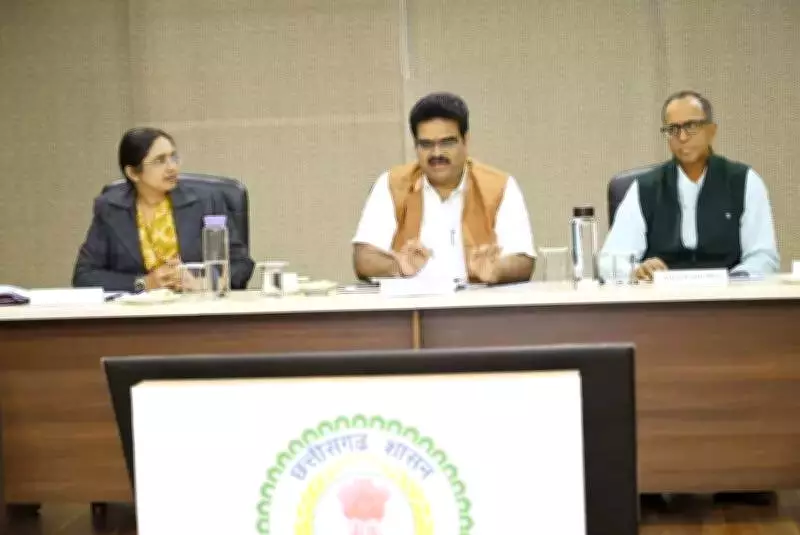
Addressing the media in Raipur on Thursday, Dinakar highlighted that the study tour provided invaluable exposure to the effective implementation of Centrally Sponsored Schemes, flagship programmes of the Government of India, and the Sustainable Development Goals (SDGs). The visit was meticulously designed to understand governance frameworks, monitoring systems, and mechanisms that ensure efficient last-mile delivery of welfare benefits to citizens.

Dinakar emphasized that both Andhra Pradesh and Chhattisgarh, operating under their respective double-engine governments, are working with a strong commitment towards inclusive growth, transparency, and people-centric governance. He expressed heartfelt gratitude to Chhattisgarh Chief Minister Vishnu Deo Sai, Twenty Point Programme Implementation Minister Shyam Bihari Jaiswal, NITI Aayog Member Secretary Ashiskumar Bhatt, Director Economics and Statistics Rokitma Yadav, and other senior officials for their cooperation and guidance during the study tour.
Detailed Discussions on Central and State Schemes
During the visit, the Andhra Pradesh delegation engaged in detailed discussions on the implementation of key Central schemes, including:
- Pradhan Mantri Awas Yojana
- Jal Jeevan Mission
- AMRUT
- Pradhan Mantri Garib Kalyan Anna Yojana
- Pradhan Mantri Gram Sadak Yojana
- PM JANMAN
- PM Dhana Dhanya Krushi Yojana
- Lakkati Didi initiative
- Aspirational Districts and Aspirational Blocks Programme
- Various schemes under the National Health Mission
The delegation also reviewed flagship initiatives of the Chhattisgarh government, which focus on social welfare, livelihood enhancement, healthcare access, education, and infrastructure development. Special emphasis was placed on reaching tribal communities, rural households, and other vulnerable sections of society, ensuring that no one is left behind in the development process.
Chhattisgarh Vision 2047 and Strategic Priorities
NITI Aayog Officer Dr. Nitu Gardiya briefed the delegation on Chhattisgarh Vision 2047, outlining 13 key priority areas. The presentation highlighted strategies to improve outcomes in the health and education sectors while leveraging opportunities in agriculture, mining, and manufacturing for investment promotion and job creation. This comprehensive approach aims to foster sustainable economic growth and social equity.
Productive Outcomes and Future Collaborations
Dinakar described the study tour as highly productive, noting that the learnings from Chhattisgarh will help Andhra Pradesh strengthen programme implementation, enhance institutional capacity, and accelerate progress towards SDG targets. Later, he met Chhattisgarh Chief Minister Vishnu Deo Sai at the secretariat in Naya Raipur to review the state's progress on NITI Aayog SDG indicators, fostering inter-state collaboration and knowledge sharing.
As part of the tour, the delegation also visited the Tribal Museum, gaining insights into the cultural heritage and social fabric of Chhattisgarh, which further informed their understanding of inclusive governance practices.
This initiative underscores a proactive approach by Andhra Pradesh to adopt successful models from other states, aiming to optimize welfare delivery and achieve long-term developmental goals in line with national visions.