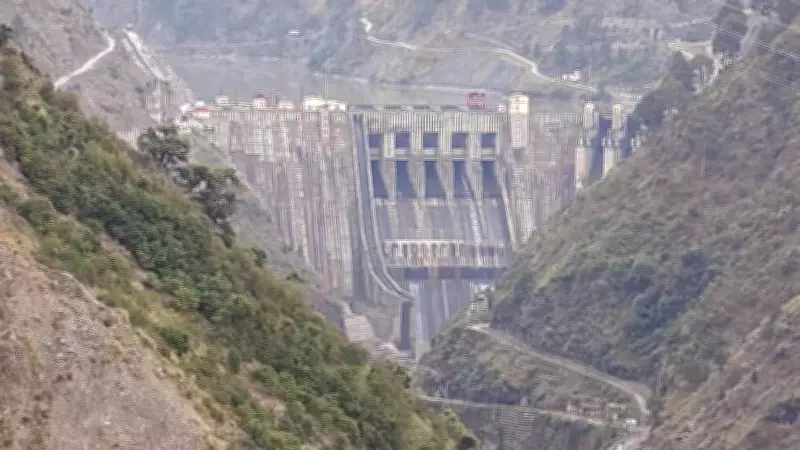
Baglihar Hydropower Project Stage 1 Suspended After Flooding Incident in Jammu and Kashmir
Operations at the 450MW stage 1 of the Baglihar hydropower project on the Chenab river in Jammu and Kashmir have been suspended following a flooding incident that occurred two days ago. The project, a critical component of the region's power infrastructure, experienced water ingress into its machine room, prompting immediate action by engineers.
Immediate Shutdown to Prevent Critical Damage
As floodwaters entered the machine room, engineers swiftly halted power generation to safeguard vital electro-mechanical components from potential damage. This precautionary measure was essential to avoid long-term operational setbacks and ensure the integrity of the equipment.
The Baglihar project, situated in the Ramban district, plays a pivotal role in supplying electricity to Jammu and Kashmir. Despite the suspension of stage 1, officials have confirmed that stage 2, which adds another 450 MW of capacity, remains fully operational and unaffected by the flooding.

Flooding Coincides with Scheduled Maintenance Period
A senior official described the flooding as a minor incident that occurred during a pre-planned maintenance window. Stage 1 was already scheduled to be closed for a three-month repair period, making the timing of the flood less disruptive than initially feared.
"Since stage 1 has to stay shut for 90 days, we will operate stage 2 during this period," the official stated, highlighting the project's contingency planning. This approach ensures that power generation continues without significant interruption, leveraging the operational flexibility of the two-stage design.
Operational Dynamics of Baglihar's Two Stages
The official elaborated on the typical operational patterns of the project. Stage 1 usually runs at full load for seven to eight months annually and at partial load for three to four months. In contrast, stage 2 is designed to operate only for about four months, from July to September, due to insufficient water discharge to run both stages simultaneously during lean periods.
"Now that stage 1 is shut down for repairs, we will run stage 2, which otherwise remains closed during the lean period," he explained. This strategic adjustment maximizes resource utilization and maintains power supply stability during the maintenance phase.
The incident underscores the challenges of managing hydropower infrastructure in flood-prone regions while demonstrating the project's resilience through its dual-stage operational framework. Authorities continue to monitor the situation closely to ensure a smooth transition and timely completion of repairs.