Belagavi's CITIIS 2.0 Project Faces Critical Threat from Administrative and Financial Issues
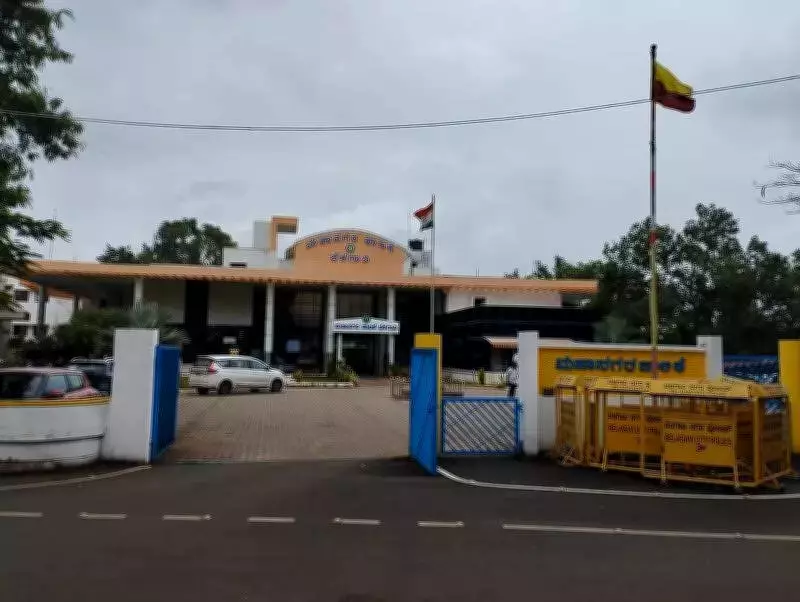
The city of Belagavi is on the brink of losing a significant urban development initiative, the City Investments to Innovate, Integrate and Sustain (CITIIS 2.0) project, due to a combination of administrative lapses, procedural delays, and a contentious funding dispute between the state government and the local civic body. In response to the escalating crisis, the Belagavi City Corporation (BCC) has called for an emergency special council meeting scheduled for Monday to make a definitive decision regarding the project's future.
Overview of the CITIIS 2.0 Programme
Launched in November 2023 by the Ministry of Housing and Urban Affairs, the CITIIS 2.0 programme is designed to foster circular-economy initiatives, with a primary focus on integrated solid waste management systems across selected smart cities in India. Under this scheme, participating cities are eligible to receive grants ranging from Rs 20 crore to Rs 135 crore to support sustainable urban infrastructure projects.
Belagavi emerged as the sole city from Karnataka chosen for this prestigious programme after successfully presenting its proposal, titled "Vision to Implement Integrated Solid Waste Management and Sustainability Projects (VIISWAS)," before a national jury in New Delhi in February 2024.

Agreement and Financial Framework
A quadrilateral agreement for the project was formally signed on March 3, 2025, in Jaipur, involving the Union government, the state government of Karnataka, the Belagavi City Corporation, and Belagavi Smart City Limited (BSCL). The total estimated cost of the project stands at Rs 165.3 crore, which includes a central grant of approximately Rs 75 crore. Notably, the Union government has already disbursed Rs 7.5 crore as the initial instalment to commence procedural activities.
According to the agreement, the financial responsibilities were allocated as follows: the Centre and the State government were each expected to contribute 40% of the project cost, while the remaining 20% was to be covered by the BCC through three annual instalments. Prior to signing the agreement, all stakeholders provided promissory commitments for their respective financial shares, with the state's commitment facilitated through the Karnataka Urban Infrastructure Development and Finance Corporation (KUIDFC).
Funding Dispute and Political Controversy
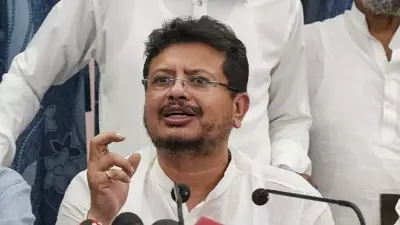
However, the project encountered a significant obstacle when the State government reportedly instructed the BCC to utilize funds from the State Finance Commission (SFC) grants to meet its financial share. This directive has sparked a political controversy, with Belagavi South MLA Abhay Patil accusing the state government of reneging on its earlier commitment. The disagreement over funding sources has created uncertainty and strained relations between the state and local authorities.
Procedural Hurdles and Legal Challenges
In addition to the funding dispute, the project has faced numerous procedural challenges within BSCL. Sources indicate that certain project components initially proposed under the programme were rejected by the Centre, necessitating the preparation of a revised list and obtaining fresh approvals from all stakeholders before the March 31 deadline. This revision process has contributed to delays and administrative complexities.
Further complicating matters, RTI activist Manjunath Banashankari highlighted that delays in appointing a consultancy agency to conduct the environmental and social impact assessment have significantly slowed project progress. He also noted that the tender process has been repeated since late 2024, adding to the timeline disruptions.
The issue has escalated to the Supreme Court after a consultancy firm challenged the cancellation of the tender. If the court grants a stay order, the project timeline could face additional disruptions, potentially jeopardizing its completion.
Potential Scaling Down and Emergency Measures
Amid these mounting uncertainties, BSCL is reportedly considering scaling down the project to approximately Rs 75 crore, relying solely on the Centre's grant and the BCC's contribution. This scaled-down approach would eliminate the state's financial involvement but may impact the project's scope and effectiveness.

The emergency council meeting on Monday is poised to be a critical juncture, where the civic body will decide whether to formally commit its financial share to salvage the project. The outcome of this meeting will determine whether Belagavi can proceed with its ambitious solid waste management initiatives or risk losing the benefits of the CITIIS 2.0 programme entirely.