

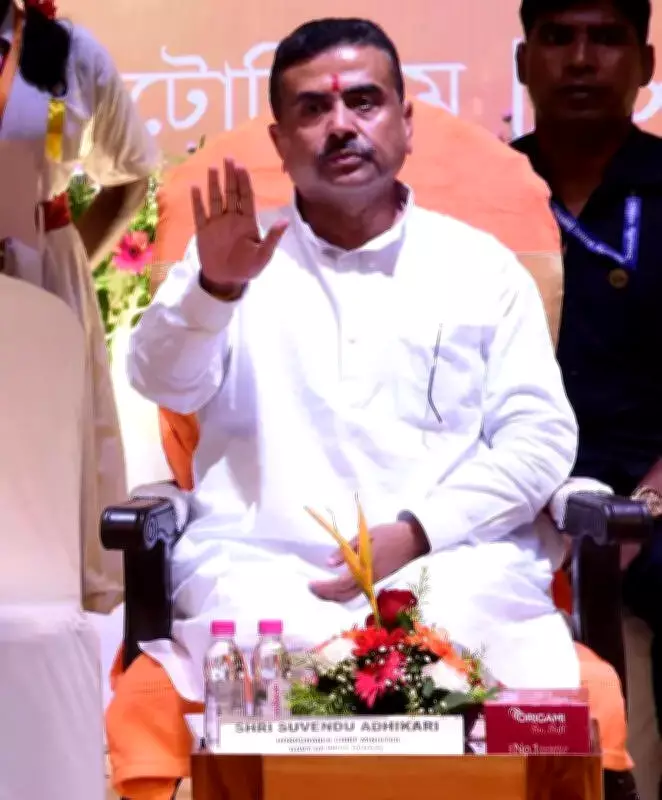
Kolkata: The West Bengal government has signed a Memorandum of Understanding (MoU) with the Union Jal Shakti ministry to accelerate the provision of piped drinking water connections across the state, with the goal of delivering potable water to every household. The agreement was finalized during a virtual meeting attended by Bengal Chief Minister Suvendu Adhikari and Union Water Resources Minister CR Patil.
Key Details of the Agreement
After the meeting, Adhikari informed the media that the people of Bengal have been waiting for the Jal Jeevan Mission for a long time. He noted that the central government allocated Rs 29,000 crore to Bengal over the past five years, but little progress was made on the ground. He also pointed out that the previous state government had renamed the project 'Jal Swapna,' a move he had opposed in the assembly. Now, an agreement worth Rs 39,000 crore has been signed for the second phase, aiming to provide purified drinking water through pipes to every household.
Irrigation Support Sought
Adhikari also sought central assistance for irrigation projects, stating that the state's financial condition makes implementation difficult without such support.

Union Minister's Remarks
Union Minister CR Patil congratulated Adhikari and announced that the Centre has launched 'Jal Jeevan Mission 2' in 2026 with a budget of Rs 1.69 lakh crore, which will continue until December 2028. He described the MoU as a significant step toward ensuring transparency and timely supply of potable water to the people.
Current Water Coverage Status
Bengal's rural piped water coverage has risen from about 1% in 2019 to 56%, but coverage in schools and Anganwadi centres remains below the national average. Patil highlighted that the situation of water certification is also not satisfactory. The central share of the total budget is Rs 33,363 crore, of which the state government has spent only Rs 13,000 crore, while Rs 11,670 crore remains unutilised.
Future Plans and Measures
Patil stated that he would hold regular virtual meetings with district magistrates, urged the establishment of sewage treatment plants along the Ganges, and stressed the importance of rainwater harvesting in dark zones. He added that this approach would make gram panchayats more responsible for the maintenance of the water supply system.






