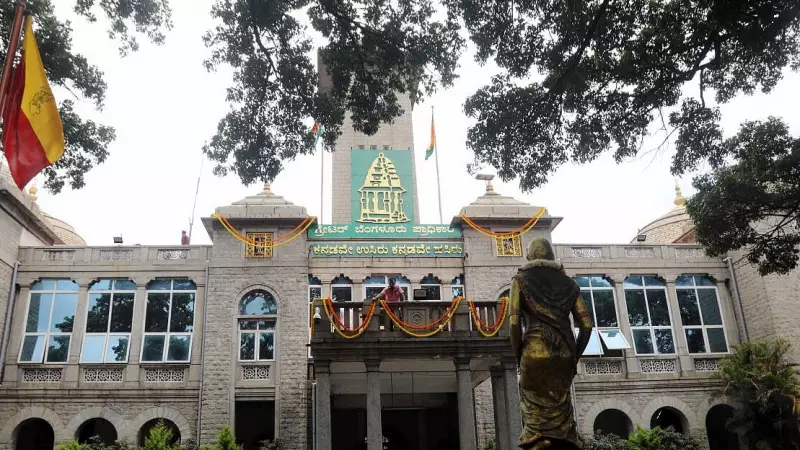
In an unprecedented move to clamp down on corruption and unauthorized construction, the Greater Bengaluru Authority (GBA) has terminated several of its own officials. This decisive action, a first for the authority, was taken for their involvement in illegally issuing khata certificates to unauthorized property layouts.
A Historic Crackdown on Rogue Officials
The GBA's action on December 2, 2025, marks its first major internal disciplinary measure since the authority was established. For the first time, officials within the urban governance body have been dismissed for misconduct, signaling a new era of accountability. The staff members were found guilty of facilitating illegal property transactions by providing khatas—crucial property identification documents—to layouts that did not have proper approvals or violated zoning regulations.
Details of the Violation and Immediate Fallout
The officials abused their positions of power within the GBA's revenue and municipal sections. By processing and approving khatas for these illegal layouts, they enabled property fraud, put buyers at financial risk, and contributed to the city's haphazard urban sprawl. The authority, upon uncovering the scam through internal audits and citizen complaints, moved swiftly to sack the implicated employees. This sends a strong message that such malpractices will not be tolerated.

Implications for Bengaluru's Urban Governance
This landmark decision is expected to have far-reaching consequences. It underscores the GBA's stated commitment to cleaning up Bengaluru's notorious real estate sector and enforcing master plan regulations. Property buyers are now urged to exercise extreme caution and verify the legal status of layouts directly with the authority. Experts believe this could be the beginning of a larger purge to restore integrity in the city's planning and revenue departments. The move has been welcomed by citizen activists who have long demanded action against the nexus between officials and land developers operating illegal layouts.
The crackdown highlights the ongoing challenges Bengaluru faces in managing its rapid and often unregulated growth. It also sets a precedent for other urban local bodies in India to take stern action against internal corruption threatening sustainable urban development.