

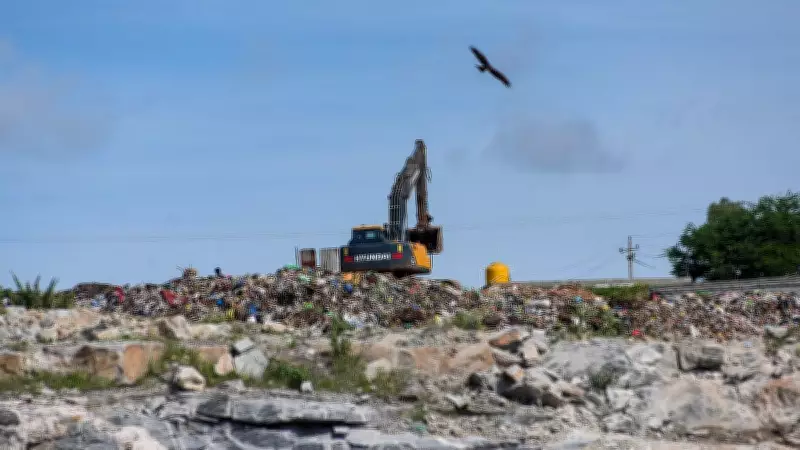
Bengaluru GBA Implements Major Reduction in Waste Transport Fleet
The Greater Bengaluru Authority (GBA) has executed a significant operational shift in the city's waste management system, successfully reducing the number of compactors used for transporting municipal solid waste to designated landfill sites. This strategic move forms a core component of a broader initiative aimed at enhancing efficiency and sustainability in urban sanitation practices.
Substantial Cut in Landfill-Bound Vehicles
Official data confirms that the fleet of compactors actively engaged in ferrying waste from collection points to landfills has been downsized from approximately 400 vehicles to just 260. This represents a substantial reduction of 140 vehicles, equating to a 35% decrease in the operational fleet dedicated to landfill disposal. The decision follows a comprehensive review of logistics, route optimization, and vehicle utilization patterns conducted by the GBA's sanitation department.
Driving Factors Behind the Fleet Rationalization
Authorities cite multiple factors influencing this decisive action. Primary motivations include reducing traffic congestion caused by heavy waste transport vehicles during peak hours, lowering operational costs associated with fuel, maintenance, and manpower, and minimizing the environmental footprint of waste transportation. By deploying fewer, more efficiently routed compactors, the GBA aims to achieve the same waste clearance outcomes with reduced resource expenditure.

"This rationalization is not about reducing service quality but about smart resource management," explained a senior GBA official involved in the planning. "We analyzed trip data, landfill intake capacities, and collection schedules to identify redundancies. The optimized fleet now operates with higher load efficiency and fewer empty runs."
Implications for Bengaluru's Waste Management Ecosystem
The reduction in landfill-bound compactors is expected to have several downstream effects:
- Decreased Road Wear and Tear: Fewer heavy vehicles on city roads may lead to lower maintenance costs for infrastructure.
- Potential for Enhanced Segregation Efforts: Resources saved could be redirected towards promoting source segregation and processing of wet and dry waste.
- Focus on Alternative Processing: The move aligns with long-term goals to divert waste from landfills through increased recycling, composting, and waste-to-energy projects.
However, the GBA has assured citizens and municipal wards that the reduction will not compromise daily waste collection services. Monitoring mechanisms are being strengthened to ensure that the streamlined fleet adequately meets the city's disposal needs without causing pile-ups at transfer stations.
Future Roadmap and Sustainability Goals
This fleet optimization is viewed as an interim step within a larger, multi-pronged strategy for sustainable waste management in Bengaluru. The GBA's future plans reportedly emphasize:
- Increasing the capacity of material recovery facilities and decentralized processing plants.
- Expanding public awareness campaigns on waste reduction and segregation at source.
- Exploring public-private partnerships for advanced waste processing technologies.
The successful implementation of this 35% compactor reduction will serve as a critical benchmark for evaluating the feasibility of further logistical optimizations in Bengaluru's quest for a cleaner, more sustainable urban environment.






