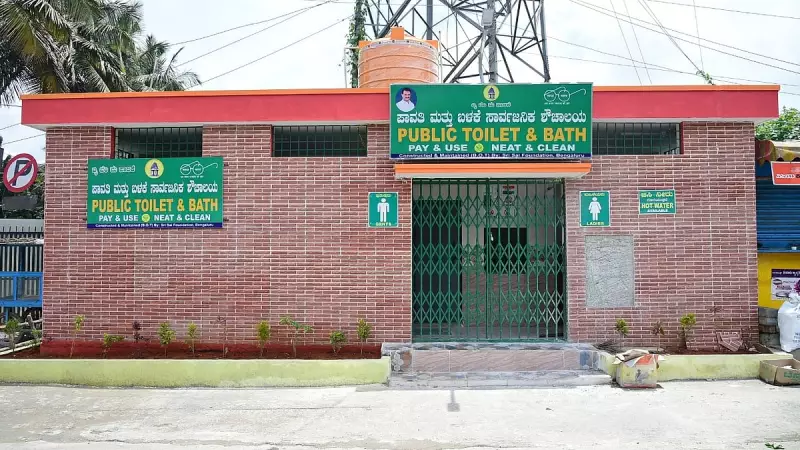
Bengaluru Public Toilet Audit Exposes Critical Safety and Accessibility Failures
A comprehensive audit conducted in Bengaluru has uncovered alarming deficiencies in the city's public toilet infrastructure, with a majority of facilities deemed unusable and unsafe, particularly for women and individuals with disabilities. This revelation comes at a crucial time as Bengaluru Solid Waste Management Ltd prepares to participate in the nationwide Swachh Survekshan cleanliness survey, highlighting significant gaps in urban sanitation standards.
Widespread Inaccessibility and Safety Concerns
The audit findings indicate that most public toilets in Bengaluru fail to meet basic safety and accessibility requirements. For women, issues such as inadequate lighting, lack of proper maintenance, and insufficient privacy measures have been identified as major concerns, compromising their security and comfort. Similarly, disabled individuals face numerous barriers, including the absence of ramps, non-functional fixtures, and inaccessible designs that do not comply with standard guidelines.
These shortcomings not only hinder daily convenience but also pose serious health and safety risks, undermining efforts to promote public hygiene and inclusivity in one of India's major metropolitan areas.

Implications for Swachh Survekshan Participation
The timing of this audit is particularly significant as Bengaluru Solid Waste Management Ltd gears up for the Swachh Survekshan, a government-led survey that assesses cleanliness and sanitation across Indian cities. The poor state of public toilets could adversely impact the city's performance in this nationwide ranking, reflecting broader challenges in urban governance and infrastructure management.
Authorities are now under pressure to address these issues promptly, with calls for immediate remedial actions to improve toilet facilities before the survey commences. This includes:
- Enhancing maintenance protocols to ensure regular cleaning and repairs.
- Implementing safety features such as better lighting and surveillance.
- Upgrading infrastructure to make toilets fully accessible for disabled users.
Broader Impact on Public Health and Urban Living
Beyond the immediate concerns, the audit's findings underscore a larger problem in Bengaluru's urban planning and public service delivery. Inadequate sanitation facilities can lead to increased public health risks, including the spread of diseases, and negatively affect the quality of life for residents, especially vulnerable groups like women and the disabled.
As the city strives to maintain its reputation as a tech hub and livable metropolis, addressing these sanitation gaps is essential for fostering a safe, inclusive, and hygienic environment for all citizens.