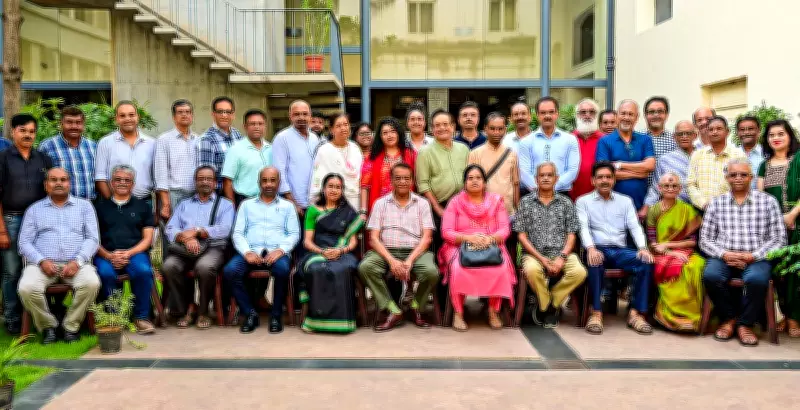
RWAs Convene to Tackle Garbage Blackspots
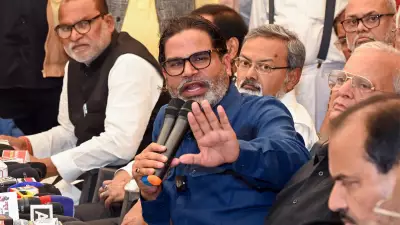
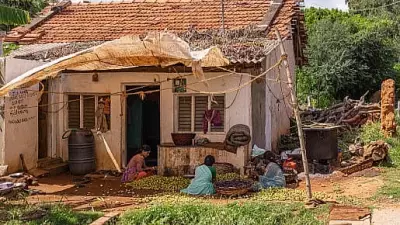
Representatives from several Resident Welfare Associations (RWAs) in Bengaluru gathered to discuss practical solutions for the city's persistent waste management challenges. The meeting, held on 11 July 2026, focused on source composting and smarter waste collection strategies to eliminate garbage blackspots and enhance urban cleanliness.
Source Composting as a Key Strategy
The discussion highlighted source composting as a primary tool to reduce the burden on landfill sites. RWAs shared success stories of community-led composting initiatives that have significantly decreased the volume of wet waste sent to dumps. One RWA reported a 40% reduction in mixed waste after implementing doorstep composting bins.
According to a representative from the Bangalore Apartments' Federation, "Source composting not only cuts waste but also produces nutrient-rich manure for gardens. It's a win-win for residents and the environment."

Smart Solutions for Collection and Monitoring
Participants also explored technology-driven approaches, including GPS-tracked waste collection vehicles and mobile apps for real-time reporting of overflowing bins. These tools aim to improve route efficiency and accountability among waste collectors. A pilot project in one ward showed a 25% improvement in collection timeliness.
The Bruhat Bengaluru Mahanagara Palike (BBMP) official present assured support for RWAs adopting these measures, including subsidies for composting units and technical training. However, challenges remain in scaling up efforts across all 198 wards.
Impact and Next Steps
The meeting concluded with a commitment to form a city-wide RWA network to share best practices and lobby for policy changes. RWAs plan to submit a joint memorandum to BBMP demanding stricter enforcement of waste segregation rules and increased penalties for illegal dumping. The initiative is expected to benefit over 2 million households in Bengaluru.